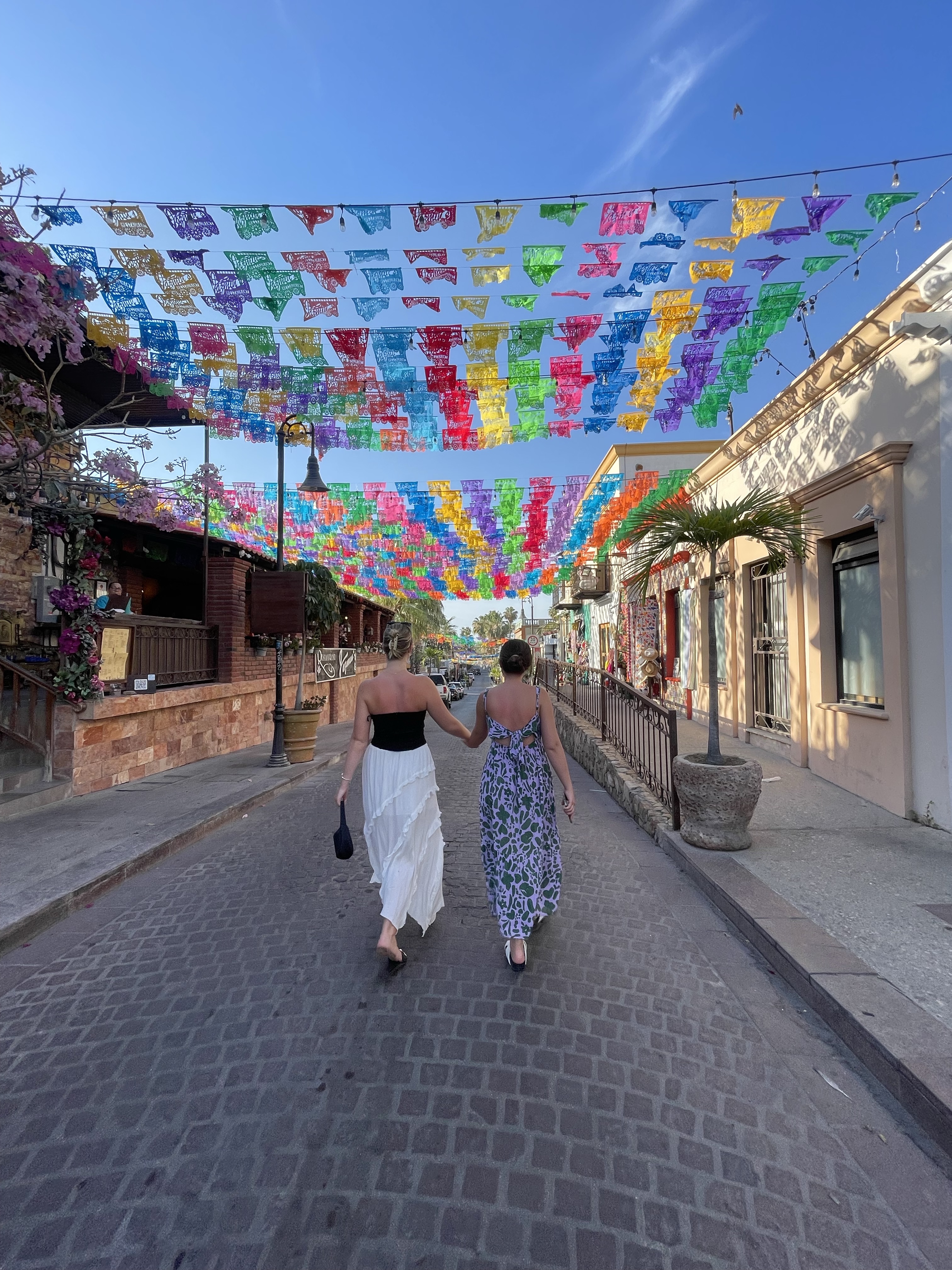
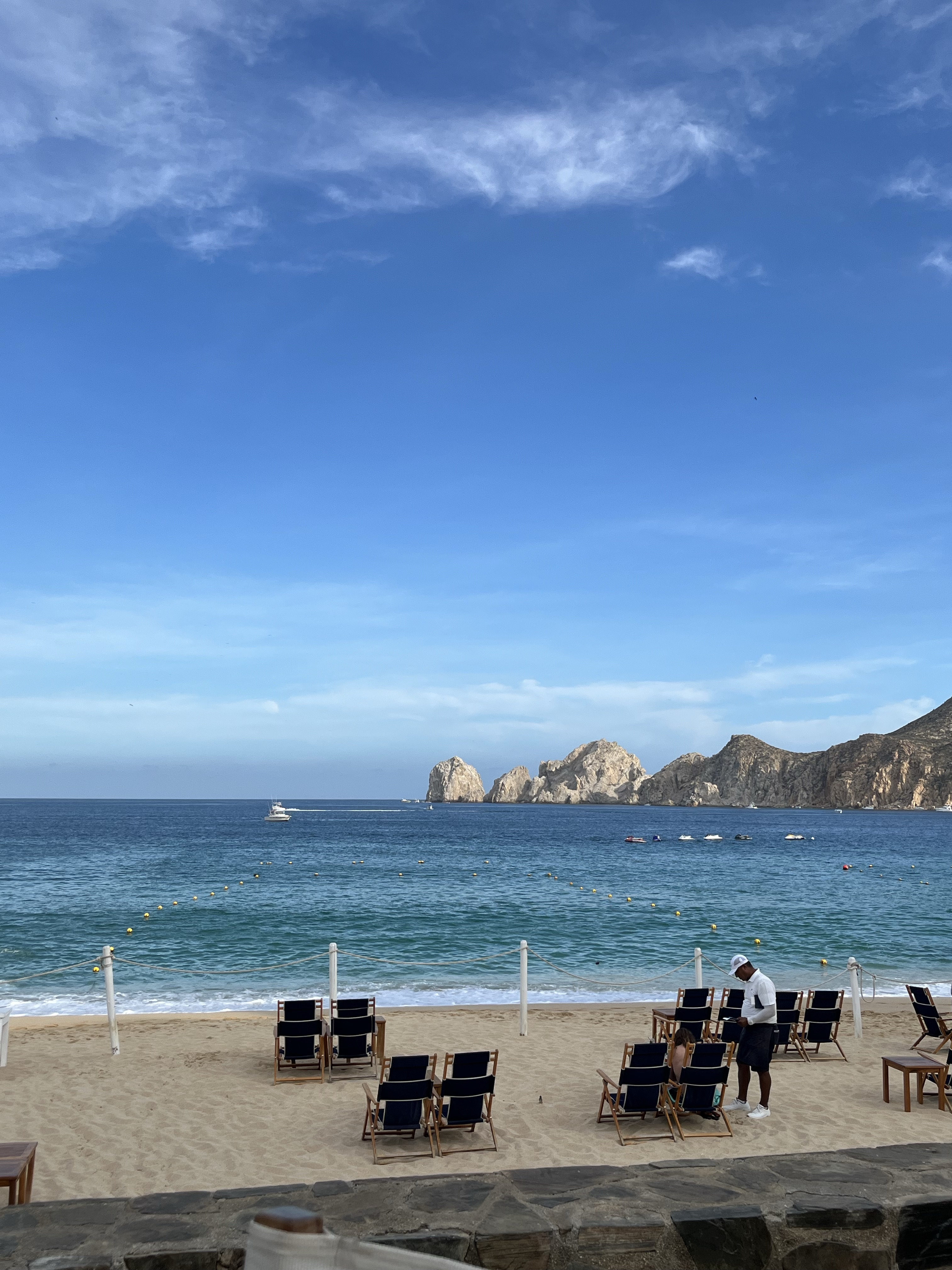
The Blog about Los Cabos

At Baja Properties, we have nearly 40 years of experience living life to the fullest in Los Cabos. This is our Baja Properties Blog where our goal is to share some of that expertise with you, answering questions with fact-filled posts covering a variety of topics of interest to anyone living in, or considering a move to, this magical paradise in Southern Baja. 

Through our Baja Properties Blog, we aim to share Mexico’s vibrant culture and highlight the beauty of our natural surroundings, as well as insider tips on how to settle into your new home and navigate the challenges and adventures of Baja living. We hope you enjoy our posts and please contact us if you have any other specific questions regarding your Baja adventure!

July 13, 2025

How to Buy a House in Cabo San Lucas: Steps, Stories & Local Tips

Quick Facts for Buyers in Cabo

Wondering how to buy a house in Cabo San Lucas? Foreigners can legally buy homes here through a bank trust called a fideicomiso. The process usually takes 60–90 days and includes a notary, escrow, and a few key legal steps. Many homes are sold in U.S. dollars and they can come furnished. Expect closing costs around 4–6% of the purchase price. At Baja Properties, our team of agents has been helping locals and foreigners buy and sell properties in Cabo San Lucas for over 30 years. If you need assistance buying a home in Cabo, reach out to us directly and we’ll be happy to help.
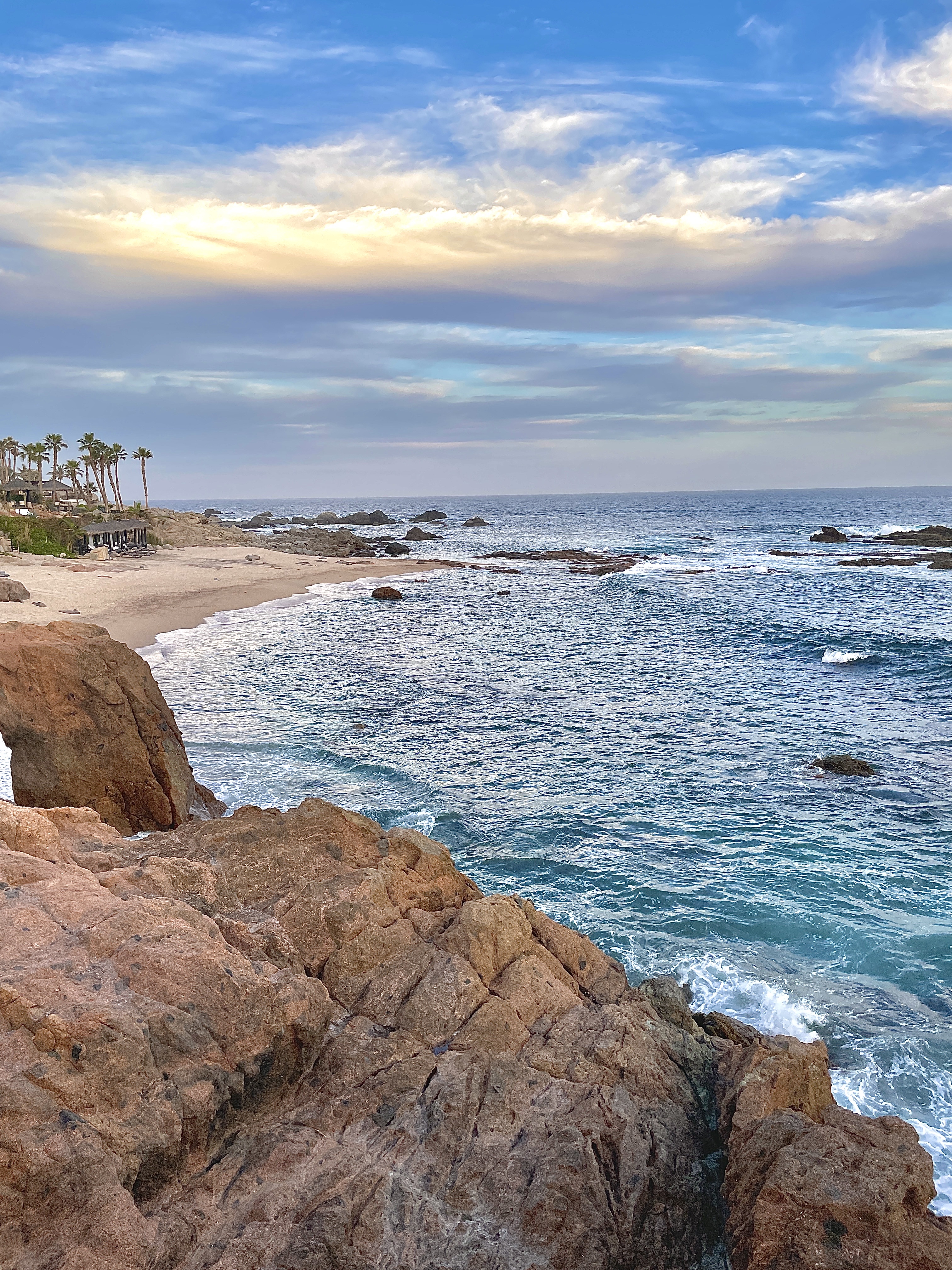
 buying a house in cabo

Can Foreigners Buy a House in Cabo San Lucas?

Yes, but there’s a catch. Cabo San Lucas is in Mexico’s “restricted zone”—within 50 kilometers of the coast—which means foreigners can’t own land directly. Instead, you buy through a fideicomiso. It’s a renewable trust set up through a Mexican bank and has been used for decades by foreign homeowners here.

What Is a Fideicomiso?

A fideicomiso is a 50-year renewable trust. The title is held by a Mexican bank, but you have full ownership rights. You can sell it, rent it, remodel, or pass it on to your kids. The annual fee is usually around $500–$800 USD. It’s not complicated once you’re in it. Just something to set up properly from the start.


The Buying Process: Step-by-Step

Find a Local Real Estate Agent

Start with someone who knows Cabo and isn’t new to the scene. Your agent should connect you with a notary, help set up the fideicomiso, and walk you through every part of the deal. We always tell buyers—find someone you’d trust with your house keys and your Spanish translations.

You can explore Cabo real estate or baja mexico real estate to see what’s on the market right now.

Making an Offer and Escrow

Offers are written in both English and Spanish. Most properties are priced in USD. After you agree on terms, you’ll open a third-party escrow account (around $650–$700 USD) and wire a 10% deposit.
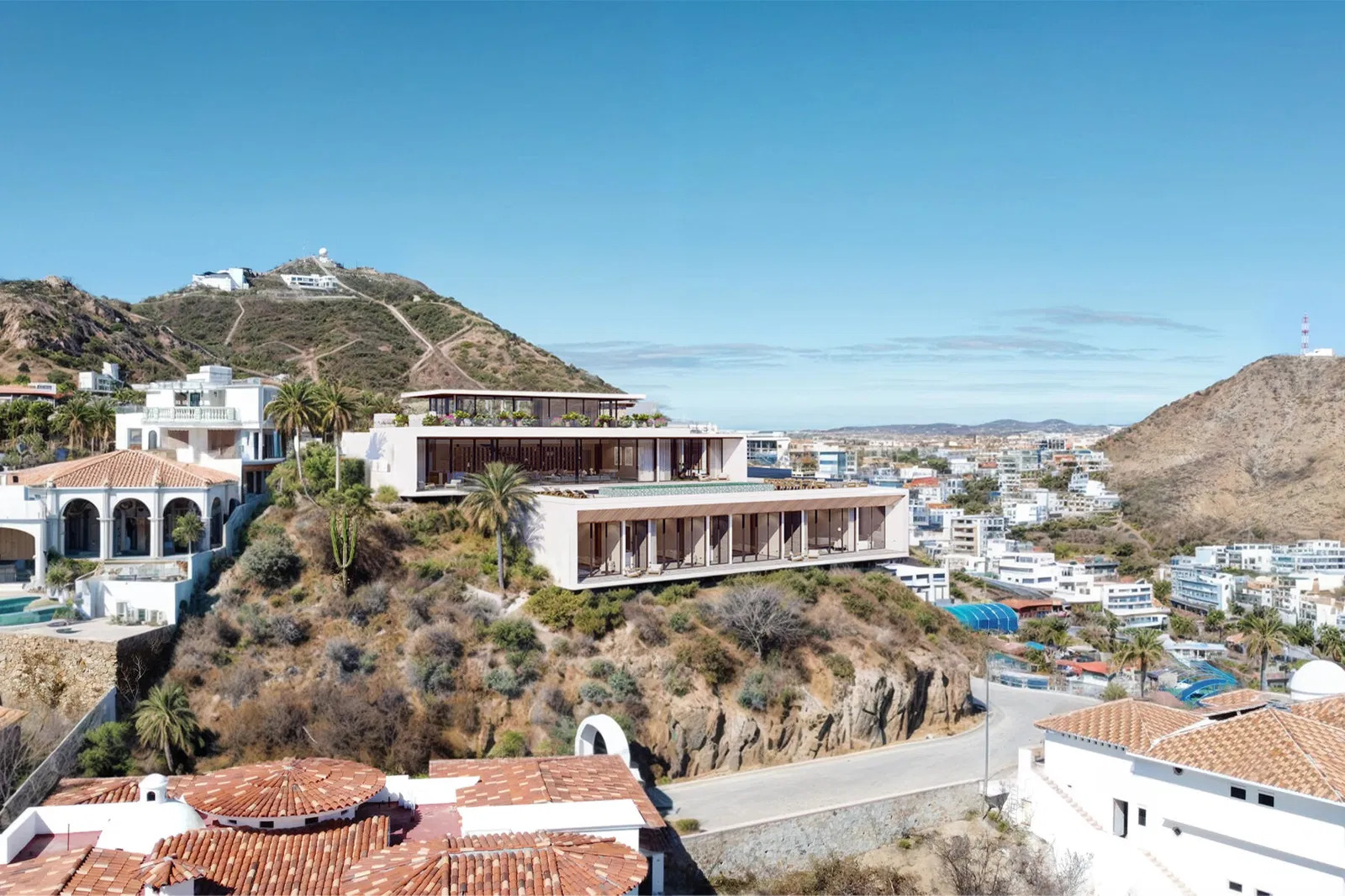
how to buy a home in cabo

Due Diligence and Inspections

You’ll hire an inspector, get a property survey, and confirm a clean title. Your agent will guide the paperwork. If something doesn’t check out, you can walk away during the due diligence period—usually 30 days.

Closing and Title Transfer

The notary handles everything—this isn’t a DIY process. Once all fees are paid and your fideicomiso is created or transferred, you receive the keys and the sale is recorded. You're now officially a homeowner in Cabo.


Costs, Fees, and Financing

Typical Closing Costs

  • Fideicomiso setup: ~$2,000 USD

  • Annual fideicomiso fee: $500–$800 USD

  • Escrow: $650–$700 USD

  • Inspection, survey, title search: ~$400–$500 each

  • Notary/legal: included in the 4–6% closing cost range

Financing Options for Foreigners

Most foreign buyers pay cash. Some U.S. lenders offer cross-border loans with high down payments. Others use home equity lines from their U.S. banks. Mexican banks do lend to foreigners, but you’ll need Mexican residency and a tax ID.


Best Neighborhoods to Buy in Cabo San Lucas

Marina Area

Steps from restaurants, bars, and Medano Beach. Great for short-term rentals or people who want to be in the middle of the action.

Pedregal

Private, gated, and quiet. Ocean views, high-end homes, and a mix of full-time residents and seasonal owners.

pedregal real estate

El Tezal & Tourist Corridor

You’ll find newer builds, gated communities, and condos. Good for families and long-term living with easy access to San José del Cabo.


Notes on Rentals, Property Management, and More

  • Vacation rentals: Homes here can bring in strong income.

  • Property management: We can help connect you with reputable property managers that help with maintenance, bills, and guest logistics.

  • Relocation support: We assist with utilities, moving coordination, and local paperwork.

  • Legal and tax help: Speak with Baja Properties for access to local pros for a smooth setup.


Current Market Trends & News

The market’s still moving fast. In early 2025, sales were up over 70% compared to the year before. Most homes sell quickly if they’re priced right, especially in beachfront areas or golf communities. For verified stats, check INEGI Baja California Sur or browse the baja real estate listings.


FAQ: How to Buy a House in Cabo San Lucas

Can foreigners buy homes in Cabo?
Yes, using a fideicomiso.

How long does the process take?
Usually 60–90 days with cash. Financing takes longer.

Do I need to speak Spanish?
It helps, but most real estate agents and notaries speak English.

How much are closing costs?
4–6% of the purchase price, plus the annual fideicomiso fee.

Can I rent my house?
Yes, vacation rentals are popular and profitable in many areas.

Is it safe to own property in Cabo?
Yes. It’s common and secure. See our guide on is Cabo safe?

What if I plan to drive while living there?
See our driving in Cabo San Lucas guide for details.

Can I sell my home later?
Yes, just transfer the fideicomiso to the new buyer.

Do I need a visa to buy a house?
No. You don’t need residency to buy, just valid ID and a passport.


Need help getting started?
We’re here to guide you through every step—from house-hunting and escrow to utilities and community introductions. Start by browsing the Cabo real estate listings or reach out for a consultation.

 

July 10, 2025

How Many Expats Live in Cabo San Lucas? Real Numbers & Local Life

How Many Expats Live in Cabo San Lucas?

Quick Facts for Curious Travelers and Movers
How many expats live in Cabo San Lucas? Right now, there are about 17,400 foreign-born residents in Los Cabos. More than 10,000 of them are from the United States. The rest are a mix of Canadians, Europeans, and Latin Americans. That’s roughly 5% of the local population—enough to make an impact, but still small enough that it doesn’t feel like a tourist bubble. The area known as Cabo San Lucas has a population just over 100,000, while the full Los Cabos region (including San José del Cabo and the Tourist Corridor) is closer to 300,000.


Why This Question Comes Up So Often

We’ve helped dozens of people make the move to Baja. One story that sticks with us: a couple from Portland came down “just to look,” met a group of fellow expats at the San José Art Walk, and ended up buying a small home in El Tezal two months later. They said the community felt familiar, but more relaxed. Stories like theirs come up all the time—real people looking for something slower, warmer, and a little more connected. And they usually start by asking how many expats already live here.


Where Do Expats Come From?

U.S. and Canadian Expats

The largest group of expats in Cabo comes from the U.S. With over 10,000 American residents in the area, you’ll hear plenty of familiar accents around town. Canadians make up the second-largest group, with a big surge in winter months when snowbirds head south.

Other Nationalities

There’s also a smaller—but growing—expat presence from Europe, particularly the UK, France, and Germany. You’ll find some Argentinians and Colombians too. Some expats come for retirement. Others are digital nomads who need good Wi-Fi, warm weather, and ocean views. And there’s a growing number of young families relocating for a change of pace.


Best Cabo Neighborhoods for Expats

Marina Area

This is where a lot of short-term visitors and part-time expats start. The marina has everything: boat tours, restaurants, nightlife, and walkable streets. Condos here are common, and it’s easy to meet other travelers.

Pedregal

A gated hillside community with ocean views, cobblestone roads, and luxury homes. Pedregal has long been a favorite of expats who want a little more privacy and don’t mind being up the hill. Quiet, safe, and close to downtown.

El Tezal and the Tourist Corridor

This area is filling up with newer homes and condos. It’s more affordable than Pedregal and still just a short drive to downtown Cabo or the beach. You’ll find grocery stores, gyms, and bilingual schools nearby. For those who want a balance between local life and comfort, this is a strong choice.


What’s Daily Life Like for Expats?

Local Events and Social Groups

Between weekly farmers markets, live music downtown, and events like the Thursday night Art Walk in San José del Cabo, there’s always something happening. You’ll meet other expats at beach cleanups, yoga classes, and book clubs.

expats met up cabo

Working, Retiring, and Volunteering

Most expats here are retired or semi-retired, but plenty are still working. Some teach yoga or offer consulting remotely. Others volunteer—animal shelters, local food banks, and education programs always need help.

There’s also a strong social scene built around giving back. We’ve seen expats organize community gardens, fundraising events, and even medical outreach.


Real Estate and Services for Expats

Buying and Renting

Buying property in Cabo isn’t complicated with the right guidance. Many of our clients choose condos near the beach or homes in quiet areas like El Tezal or San José. For short-term stays or test runs, rentals are easy to find too. See what’s available under Cabo real estate and baja mexico real estate.


Challenges and Tips for New Expats

The transition to living in Cabo isn’t always perfect. But with the right prep, it’s usually smoother than people expect.

  • Language: You can get by with English in most tourist zones, but learning Spanish helps—especially for dealing with service providers and exploring neighborhoods away from the beach.

  • Healthcare: Cabo has private hospitals and clinics with well-trained doctors. Many speak English, and costs are typically lower than in the U.S.

  • Driving: Roads are good, and driving is simple. But parking in downtown Cabo can be tricky. Tolls are cash-only, so keep pesos handy. For local advice, check our driving in Cabo San Lucas guide.

  • Safety: This is the first question most expats ask. And it's fair. The truth is, most expat neighborhoods are very safe. Want details? Start here: is Cabo safe? and is San Jose del Cabo safe?.

moving to cabo 

FAQ: How Many Expats Live in Cabo San Lucas?

How many expats live in Cabo San Lucas?
About 17,400 foreign-born residents live in Los Cabos, with over 10,000 from the U.S.

What percentage of the population are expats?
Roughly 5% of the local population.

Are most expats from the U.S.?
Yes. Canadians are second, followed by Europeans and Latin Americans.

Where do most expats live?
Marina, Pedregal, El Tezal, and the Tourist Corridor are top spots.

Can expats buy property in Cabo?
Yes. It’s common, and with proper guidance, the process is smooth. Learn more on our Cabo real estate page.

What’s it like raising a family as an expat?
Pretty simple. There are bilingual schools, safe neighborhoods, and lots of family-friendly activities.

Is it easy to meet people?
Very. Between events, classes, and meetups, most new arrivals make friends fast.

Do you need to speak Spanish?
Not really, but it helps. Many expats take classes or hire tutors after they arrive.

What’s the job situation for expats?
Some expats work remotely. Others run local businesses or volunteer. If you plan to work, you’ll need the right visa.

Is Cabo San Lucas safe for expats?
Yes. Most expat neighborhoods are safe, especially compared to large cities elsewhere.

Is it expensive to live in Cabo?
It depends where and how you live. Compared to U.S. cities, many expats find Cabo affordable, especially for housing and food.

July 7, 2025

Do You Clear U.S. Customs in Cabo San Lucas? What Travelers Need to Know

Quick answer for travelers
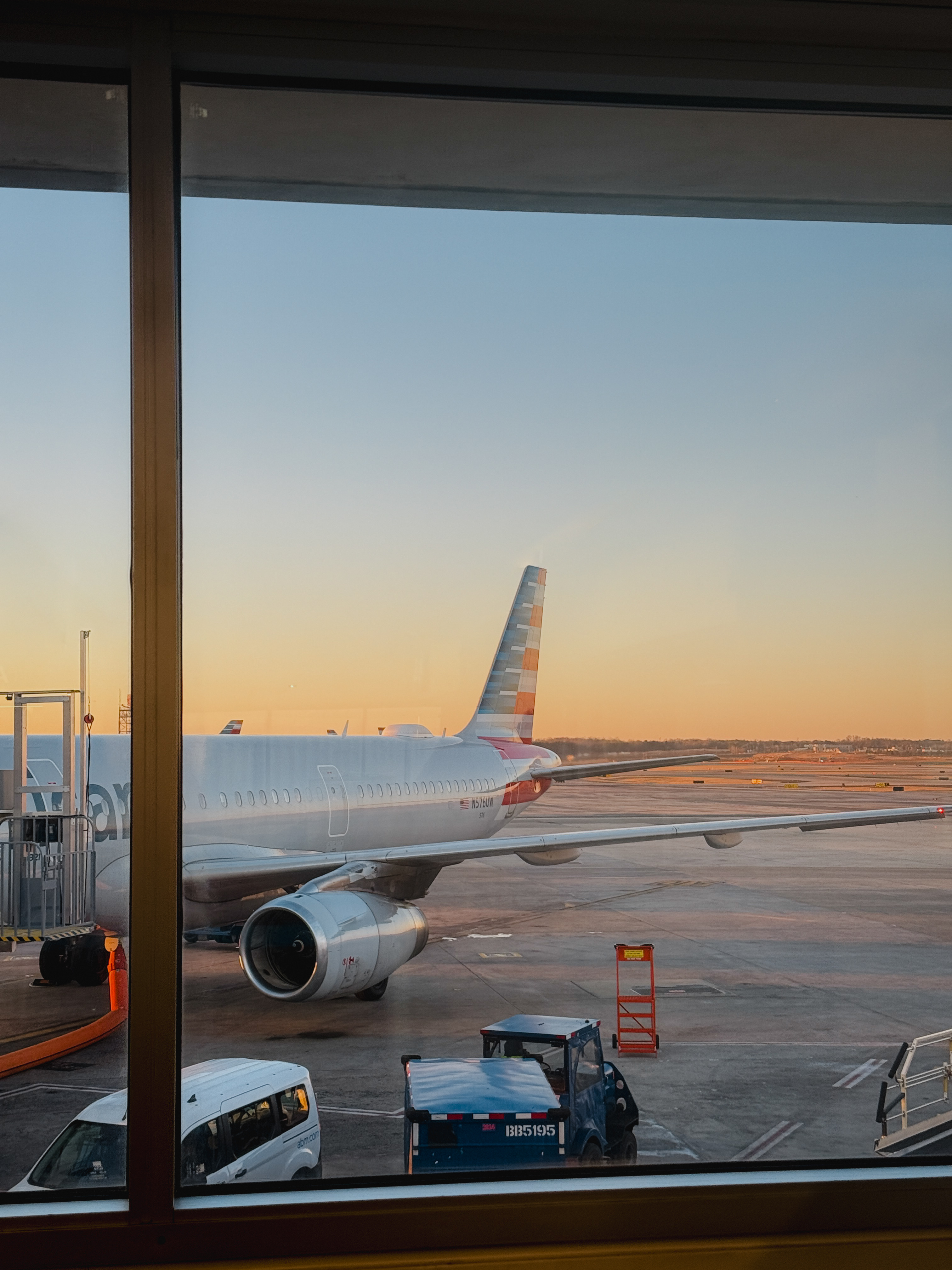
No, you do not clear U.S. customs in Cabo San Lucas. You’ll go through Mexican customs at Los Cabos International Airport (SJD) when you land. But U.S. customs? That happens at your first airport after you land in the United States.

We’ve had a few clients call us confused while pacing the SJD terminal, wondering where to find the U.S. customs line. You don’t. It’s not there. And knowing this ahead of time saves a lot of stress—especially when you're already juggling bags, souvenirs, and a half-eaten burrito.

 cabo san lucas airport

Do You Clear U.S. Customs in Cabo San Lucas?

Let’s get this part out of the way—no, there is no U.S. customs facility in Cabo San Lucas or anywhere at SJD airport. You clear U.S. customs after your flight lands in the States. If you’re flying home to Los Angeles, Dallas, Denver, or anywhere else, you’ll handle it there.

At the Cabo end, it’s all about Mexican customs and immigration. And if you’re not sure what that involves, we’ll walk you through it.


How Customs Work When Flying to and from Cabo

Arriving in Cabo: Mexican Customs and Immigration

Once you land at Los Cabos International Airport, you’ll show your passport and complete your immigration paperwork. This includes a customs declaration, which some airlines still hand out mid-flight. These days, most travelers go straight to digital kiosks.

You’ll pass through inspection, where officers might scan your bags. If the green light flashes, you’re free to go. Red? A quick bag check. It’s routine.

Personal items like clothes, electronics, and essentials come in free. You can also bring in up to $500 USD in goods without paying duty.

los cabos airport

Leaving Cabo: What to Expect at SJD Airport

There’s no U.S. customs line. You won’t fill out U.S. customs forms or speak to U.S. officers at the Cabo airport.

Instead, you’ll show your passport again for Mexican exit immigration and turn in your tourist card (if required). Most airlines include the departure tax in the ticket, but it’s worth checking.

Board your flight, settle in, and enjoy the views. U.S. customs comes next—but not until you land.

Arriving in the U.S.: Where You Clear U.S. Customs

Once your flight touches down in the States, you’ll clear U.S. customs at that first airport—not your final destination.

You’ll deplane, go through immigration, collect your checked bags, declare any purchases, and pass through security again before catching your next flight or heading out of the airport.


What Documents Do You Need?

Make sure you’ve got:

  • A valid passport (make sure it doesn’t expire during your trip)

  • The FMM tourist card (electronic or paper)

  • Boarding pass and customs declarations

  • Receipts for anything duty-free you bought

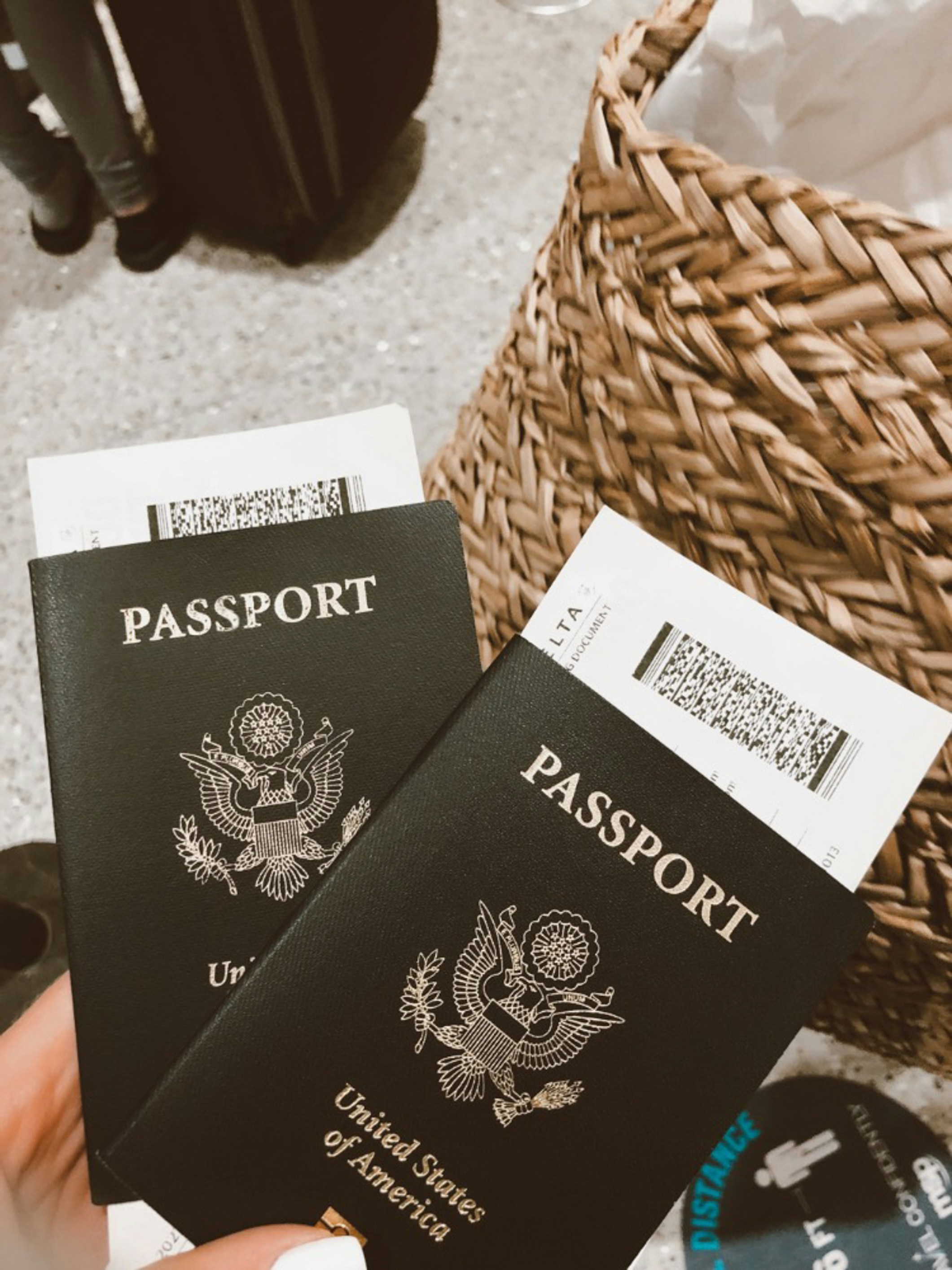
USA passport

Hold onto these until you’re back in the U.S. Some travelers misplace their tourist card and get stuck paying a fee at the airport. Don’t be that person.


Customs Tips for Cabo San Lucas Travelers

What You Can Bring In and Out

Most personal stuff is fine—clothes, a laptop, your phone, maybe a couple of souvenirs. But there are limits:

  • To Mexico: $500 USD in goods, 3 liters of alcohol, 200 cigarettes or 50 cigars

  • To the U.S.: $800 USD in goods, 1 liter of alcohol, 200 cigarettes or 100 cigars

Avoid fresh produce, meats, dairy, or plants. These are not allowed through U.S. customs.

Duty-Free Limits and Prohibited Items

Planning to shop? Keep these in mind:

  • Alcohol: You can bring 1 liter back duty-free.

  • Tobacco: Stick to the limits—200 cigarettes or 100 cigars.

  • Cuban cigars or banned wildlife items? Leave them.

Check U.S. Customs and Border Protection for the most current info.


Sub-Services: Real Estate, Relocation, and Airport Help

At Baja Properties, we don’t just help with homes. We also assist with relocation, travel logistics, and helping you understand things like airport customs or local regulations.

Thinking of buying? See our listings for Cabo real estate and baja mexico real estate.

We also provide guidance on:

  • Airport transfers and Cabo San Lucas airport arrivals

  • Setting up local utilities and bank accounts

  • Managing your property while you’re away

And yes—we’ve got plenty of experience helping travelers relocate from the U.S. and Canada. If you're serious about making Cabo a more permanent part of your life, we’re here to help.


Local Resources and Useful External Links

If you’re planning a trip, these are worth bookmarking:

  • Los Cabos Airport Customs & Security (for live updates and airport info)

  • U.S. Customs and Border Protection: Know Before You Go (for rules, limits, and travel tips)

  • Driving in Cabo San Lucas if you plan on renting a car after you land


FAQ: Do You Clear U.S. Customs in Cabo San Lucas?

Where do I clear U.S. customs when flying from Cabo San Lucas?
At your first airport in the U.S. Cabo has no U.S. customs or border agents.

Do I need to fill out any U.S. customs forms in Cabo?
No. You’ll do that mid-flight or after you land back in the States.

What if I have a connecting flight?
You’ll collect your bags, clear customs at your first U.S. stop, then re-check bags for your next flight.

Is there a departure tax at the Cabo airport?
Yes, but it’s usually built into your airline ticket. Ask to confirm.

Can I bring cigars or alcohol back with me?
Yes, within the standard limits—1 liter of alcohol, 200 cigarettes, or 100 cigars.

What if I lose my tourist card?
You’ll likely need to pay a replacement fee at the airport before you leave.

Can I bring fresh food back into the U.S.?
No. U.S. customs prohibits most fresh food, produce, meats, and plants.

Is Cabo safe for travelers dealing with customs or banking?
Yes. Still, always use common sense. For more info, check out our guide: is Cabo safe?

Do all terminals at SJD work the same way?
Mostly, yes. Terminal 2 handles international flights, and the customs process is similar across airlines.


Can Baja Properties help with travel questions?
Yes. If you're flying in to tour homes or finalize a move, we can walk you through airport procedures and customs details.


July 4, 2025

Do You Need Pesos in Cabo San Lucas?

Do You Need Pesos in Cabo San Lucas?

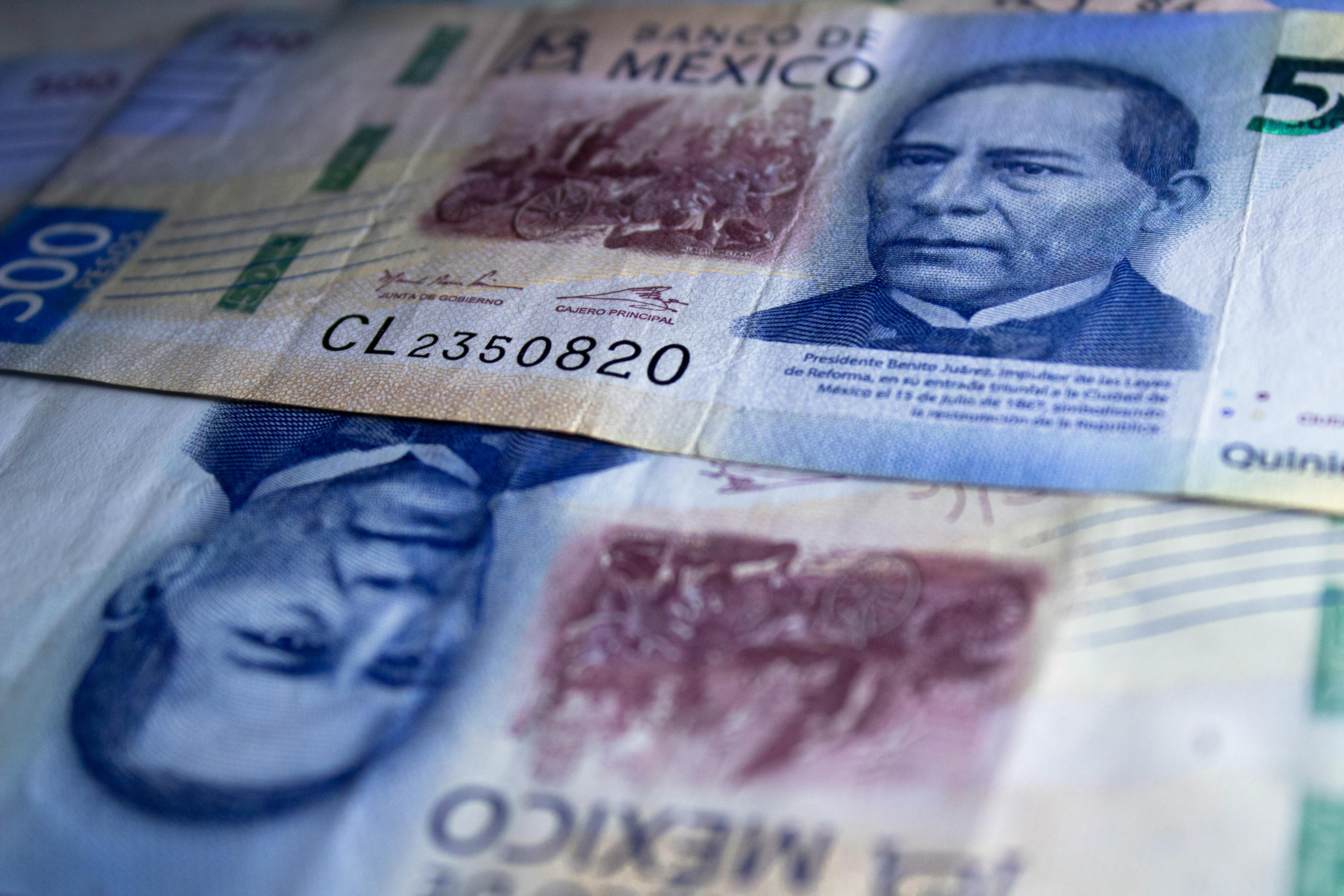
Every week, someone asks us, “Do you need pesos in Cabo San Lucas?” The short answer is: it depends on where you’re going and what you’re doing. A family from California once told us they didn’t bother getting pesos before arriving. Their first taco stop charged them in dollars — with a rate that turned a $6 lunch into a $12 one. That’s the kind of mistake that adds up fast.

If you’re planning a trip, buying a home, or even just curious, here’s what you actually need to know about money in Cabo.

 mexican pesos

Quick take before we dive in:

  • You can use US dollars, but you’ll usually get a better deal with pesos

  • Street vendors and local shops prefer pesos

  • Exchange rates vary and can cost you more than you think

  • ATMs are your best bet for getting pesos locally but if you’re coming from another country, you can also consider exchanging currency before you visit

  • Cards work at most tourist spots, but not everywhere

  • Some areas accept dollars freely, others don’t


Do You Need Pesos in Cabo San Lucas?

Yes, having pesos helps — especially outside of the main tourist zone. While most hotels, restaurants, and shops near the marina or Medano Beach accept dollars, smaller businesses, taco stands, and local drivers often prefer pesos. Some won’t take dollars at all. Even when they do, the exchange rate they use isn’t always in your favor.

Using Dollars (USD) vs Pesos: What’s Best?

Where Dollars Work

You’ll be fine using dollars at:

  • Hotels and resorts

  • Large restaurants

  • Tour companies

  • Airport taxis

  • Shops in the marina or near Medano Beach

Most of these places will quote prices in both currencies, but they often round up — and you get change in pesos.

Where Pesos Are Better

You’ll want pesos if you’re:

  • Buying street food

  • Visiting local markets

  • Shopping in downtown Cabo or San José del Cabo

  • Tipping drivers or hotel staff

  • Taking local buses or using toll roads

cabo market

In these spots, dollars might be accepted, but you’ll likely overpay.

Exchange Rates and Hidden Costs

Businesses can set their own exchange rates. Sometimes it’s 15 pesos to the dollar when the real rate is closer to 18–20. That means every $10 could cost you an extra 30–50 pesos. Multiply that by every meal or cab ride and it adds up fast. Always check the rate before you hand over dollars.

And don’t forget — you’ll almost always get your change in pesos, even if you pay in USD.

How to Get Pesos in Cabo

ATMs, Banks, and Currency Exchange

Your best option? Local ATMs. Use machines attached to banks like Banorte or BBVA, or ones inside malls or grocery stores. They give fair rates and are generally safe.
Avoid the random standalone machines on the street — they’re known for bad rates or hidden fees.

Banks and exchange houses (Casa de Cambio) are fine too. You’ll find them downtown and at malls. The airport kiosk? Only use it as a last resort.

Tips for Safe and Smart Money Handling

  • Use ATMs in daylight, in public places

  • Avoid using machines late at night or in quiet areas

  • Bring a card with no foreign transaction fees

  • Tell your bank you’re traveling — you don’t want your card blocked mid-trip

  • Keep some emergency dollars, but don’t rely on them everywhere

Paying with Cards and Apps

Credit and debit cards are accepted almost everywhere in the Tourist Corridor, downtown Cabo, and major resorts. But don’t count on plastic at smaller restaurants, gas stations, or markets. Some vendors will charge an extra fee for card use.

Apps like Apple Pay and Google Pay are slowly catching on, but cash still moves faster in most places — especially when tipping.

paying with card in mexico

Spending Money: What to Expect in Different Neighborhoods

Marina and Medano Beach

This is the most tourist-friendly part of town. Dollars are accepted just about everywhere — but prices are higher. You’re paying for convenience.

Downtown Cabo

Here it gets a little more local. Many shops and eateries take dollars, but they prefer pesos. If you want to eat where locals eat, use local currency.

San José del Cabo

Art walks, galleries, coffee shops — this is where pesos matter. It’s laid back and more residential. Dollars may be accepted, but don’t count on it.

Tourist Corridor

Resorts, golf courses, and higher-end restaurants run through this stretch. You’ll be fine with cards or dollars at most places, but taxis, tips, and small purchases go smoother with pesos.

Real Estate, Rentals, and Local Payments

If you’re considering a move or investing in property, it helps to understand how payments work.

  • Cabo real estate: Most home purchases and long-term rentals are listed in pesos. Some sellers accept deposits or payments in USD, but it depends on the deal.

  • Baja Mexico real estate: Broader listings and pricing across the region — from beachfront condos to gated homes.

  • Vacation rentals: You might pay online in dollars, but once you’re here, everything from cleaning fees to security deposits may be in pesos.

  • Property management: If you own, we help handle local utility bills, payroll, and maintenance — all paid in pesos.

  • Banking and relocation: We help newcomers set up local accounts, transfer funds, and keep track of payments without losing money to conversion fees.

Local Events, News, and Money Tips

Festivals like the East Cape Dorado Shootout or Fiesta de la Virgen del Carmen often feature cash-only vendors. Same for Thursday Art Walk in San José del Cabo.

If you're renting a car, remember — gas stations and toll roads prefer pesos. Before hitting the highway, check our driving in Cabo San Lucas guide.

Want live currency rates or policy updates? The Baja California Sur government site and the Los Cabos Airport exchange guide are good places to check.

FAQ: Do You Need Pesos in Cabo San Lucas?

Can I use US dollars everywhere in Cabo?
Not everywhere. Tourist spots, yes. Local spots, not always.

Will I get a better deal with pesos?
Usually, yes. You avoid bad exchange rates and pricing guesswork.

Where should I exchange money?
Use ATMs or local banks. Avoid the airport unless it’s urgent.

Do taxis take dollars?
Some do, but pesos are preferred and usually cheaper.

Can I use a credit card for everything?
Almost — but bring pesos for tips, street food, or smaller shops.

Is it safe to use ATMs in Cabo?
Yes, if you stick to well-lit areas and use machines inside banks or stores.

How much cash should I carry?
Enough for a day or two. Don’t carry large amounts unless needed.

Will I get change in dollars or pesos?
Always in pesos.

Do I need pesos to tip?
Yes — it’s better for the staff and easier for you.

What if I want to look at real estate?
Great — we’ll walk you through it. Start by checking our listings for Cabo real estate or Baja Mexico real estate.


July 1, 2025

Cabo San Lucas Weather in July

Cabo San Lucas Mexico Weather in July: The Real Story

Every summer, we hear the same thing: “Is July too hot for Cabo?” It’s fair to ask. The sun is strong. The days stretch long. But if you know what to expect, July can be one of the best months to be here.

I remember one couple from Alberta who came in July expecting to stay indoors most of the time. They ended up paddleboarding at sunrise, hitting a fishing charter mid-week, and lounging through the warm evenings with tacos and sunset views. July changed how they felt about heat.

So if you're wondering what Cabo San Lucas Mexico weather in July actually feels like — here’s a full breakdown.

cabo san lucas july weather

Cabo San Lucas Mexico Weather in July: Quick Facts

  • Average High: 91°F (33°C)
  • Average Low: 77°F (25°C)
  • Sea Temp: 78–81°F (26–27°C)
  • Rain: 2–4 days, short showers
  • Humidity: Around 70–75%
  • Sunshine: More than 10 hours a day

July Temperatures: Day and Night

Typical Highs and Lows

Days start warm and heat up fast. Most afternoons reach 91°F (33°C), and some go a little beyond that. It’s a dry heat in the morning, but by late afternoon it can feel sticky. Nights cool slightly but still hover around 77°F (25°C), perfect for evening strolls or dinner outdoors.

Sea Temperatures

This is the part most people don’t expect — the ocean feels like bathwater. The Sea of Cortez holds heat well, sitting around 78–81°F (26–27°C). Ideal for swimming or just floating around doing nothing.

Humidity and Sunshine

Humidity in July stays between 70–75%, which feels noticeable in the middle of the day. But there’s usually a breeze — especially near the marina or on the beaches — so it balances out. And the sun? It doesn’t hide. Expect more than 10 hours of daylight, with the sun rising around 6:30 am and setting after 8.

Rain and Storms in July

Rain Patterns and What to Expect

Cabo does see some rain in July. But don’t picture gloomy days. Most showers are short and come in the late afternoon or evening. It might rain for 15 minutes, then you’ll be back to blue skies. On average, there are 2–4 rainy days in the month, usually spread out.

Hurricane Season Details

Yes, July falls in hurricane season, which runs from June through October. But July isn’t the peak — that’s September. While it’s smart to keep an eye on the forecast, major storms in July are rare. Flights and beach days usually go uninterrupted.

What July Weather Means for Activities

Beach Days and Water Sports

This is prime beach season. Medano Beach is packed with sun umbrellas and paddleboards. Lover’s Beach is quieter but still sees a steady trickle of visitors coming in by water taxi. The visibility underwater is great, especially around Santa María Bay and Chileno Bay — both perfect for snorkeling.

Fishing season kicks into gear, especially for dorado and marlin. You’ll also see more surfboards on the Sea of Cortez side, with Zippers Beach being a favorite. And sunset cruises? They fill fast. The warm air, slow breeze, and orange skies do all the work.

Local Events and Festivals

There are a few standouts worth planning around:

  • Fiesta of the Virgin of Carmen (July 16): Celebrated mostly in San José del Cabo, with parades, fireworks, and music.
  • East Cape Dorado Shoot Out: One of the largest fishing tournaments in the region.
  • Thursday Night Art Walk in San José: Still running in July, just with later hours to beat the heat.

Neighborhoods: Where to Stay or Visit

  • Downtown Cabo: If you want nightlife, the marina, and beaches all in walking distance.
  • Pedregal: For something quieter and high above town — lots of vacation rentals here with views.
  • San José del Cabo: Slower pace, charming streets, more family-friendly.
  • Tourist Corridor: Ideal if you want beach resorts and golf without picking a side.

where to stay in cabo san lucas

Tips for Enjoying Cabo San Lucas in July

What to Pack

  • Lightweight, breathable clothing
  • Multiple swimsuits
  • Reef-safe sunscreen
  • A hat and sunglasses
  • A light rain jacket (just in case)
  • Refillable water bottle
  • Staying Cool and Safe

The heat builds up fast — especially if you’re out walking or hiking. Plan activities for early mornings or after 5 pm. Drink more water than you think you need. Wear SPF 50. And duck into cafés or shaded patios when you can.

If you're worried about safety, we’ve covered that. Check out our guides on is Cabo safe? and is San Jose del Cabo safe?. In short: it’s safer than most assume, especially in the tourist zones.

Getting Around

You can rent a car, call a taxi, or use Uber. Each has its perks. If you’re planning to drive between towns or visit beaches outside the main areas, renting gives you flexibility. For tips, check our driving in Cabo San Lucas article.

Looking to Live the Cabo Lifestyle Permanently? 

If you visit in July and fall for Cabo — it happens more often than not — we can help with the next steps.

  • Cabo real estate: Homes, condos, and investment properties near the beach, in gated communities, or closer to town.
  • Baja Mexico real estate: Broader options if you're open to surrounding areas.
  • Vacation rentals: Great for testing neighborhoods before buying.
  • Property management: If you’re not living here full-time, we’ll keep things running.
  • Relocation support: Everything from local banking to utility setup.

Useful Local Resources and External Links

How hot does it get in Cabo in July?
Most days hit 91°F (33°C). Some days climb to 96°F (35.5°C). Nights stay warm around 77°F (25°C).

Is it too hot to visit in July?
Not at all — just plan for mornings and evenings outdoors. Afternoons are better spent near water or under shade.

Can I swim in the ocean in July?
Yes. The sea is warm and clear, perfect for swimming, snorkeling, and paddleboarding.

Is it hurricane season in July?
Technically yes, but major storms are rare in July. Most of the season's activity hits later in August and September.

Does it rain a lot in July?
Not really. You might get short showers, mostly in the late day. They don’t usually last long or affect plans.

Is July crowded in Cabo?
Less than winter. You’ll find more room at the beach and better rates on hotels and rentals.

What should I wear in Cabo during July?
Think light and breathable. Cotton, linen, sandals. Sunscreen is a must.

Is Cabo safe during the summer?
Yes, but like anywhere, it depends on where you go. For the full story, see is Cabo safe? and is San Jose del Cabo safe?

Can I look at real estate during July?
Absolutely. Summer’s actually a smart time to browse Cabo real estate without big crowds.

What airport do I fly into?
Los Cabos International Airport (SJD) is the closest — about 30 minutes from Cabo or San José.


Let us know if you need help planning your visit or want to schedule a showing. July may be warm, but so is the welcome.

June 28, 2025

Cabo San Lucas vs Los Cabos: What’s the Real Difference?

Cabo San Lucas vs Los Cabos

Some questions just don’t go away. And this is one we hear almost every week — what’s the difference between Cabo San Lucas and Los Cabos?

In short, Los Cabos is a region that contains the cities of Cabo San Lucas and San Jose del Cabo. Both cities are travel destinations and great places to live but they are distinctively different and offer different lifestyles.

Let’s break it down.

cabo san lucas vs los cabos

What’s the Difference?

Here’s the simplest way to understand it. Cabo San Lucas is a city — the one with the marina, the party scene, the famous arch. Los Cabos is the name for the full region. It includes Cabo San Lucas, San José del Cabo, and the stretch between them known as the Tourist Corridor.

Think of Los Cabos like the umbrella. Cabo San Lucas is one part of it.

We’ve seen people mix them up all the time. One Canadian couple we worked with thought they booked a vacation in Cabo San Lucas but ended up in San José del Cabo. They wanted beach clubs and nightlife — instead, they found quiet cafés and art galleries. Still a great trip, but not what they expected.

Cabo San Lucas: The Hotspot

This is the version of Cabo most people think of when they hear the name. It’s louder, flashier, busier — and exactly what some people want.

Cabo san lucas

Best Neighborhoods

Downtown Cabo is the center of it all. Close to Medano Beach, the marina, restaurants, bars — everything. Walkability is a big draw.

Pedregal sits just above downtown on the hillside. It’s gated, quieter, and the views are incredible.

Marina Area gives you front-row access to yacht life. Think oceanfront condos, easy boat tours, and quick access to restaurants.

Nightlife and Events

This is where things come alive after dark. Nightclubs, beach bars, rooftop lounges — and international DJs dropping in during peak seasons. But it’s not just parties. Cabo San Lucas hosts big events like the Bisbee’s Fishing Tournament, Ironman races, and even food and wine festivals.

Beaches and Activities

Medano Beach is the main swimming beach, great for paddleboarding and grabbing drinks at beachfront spots.

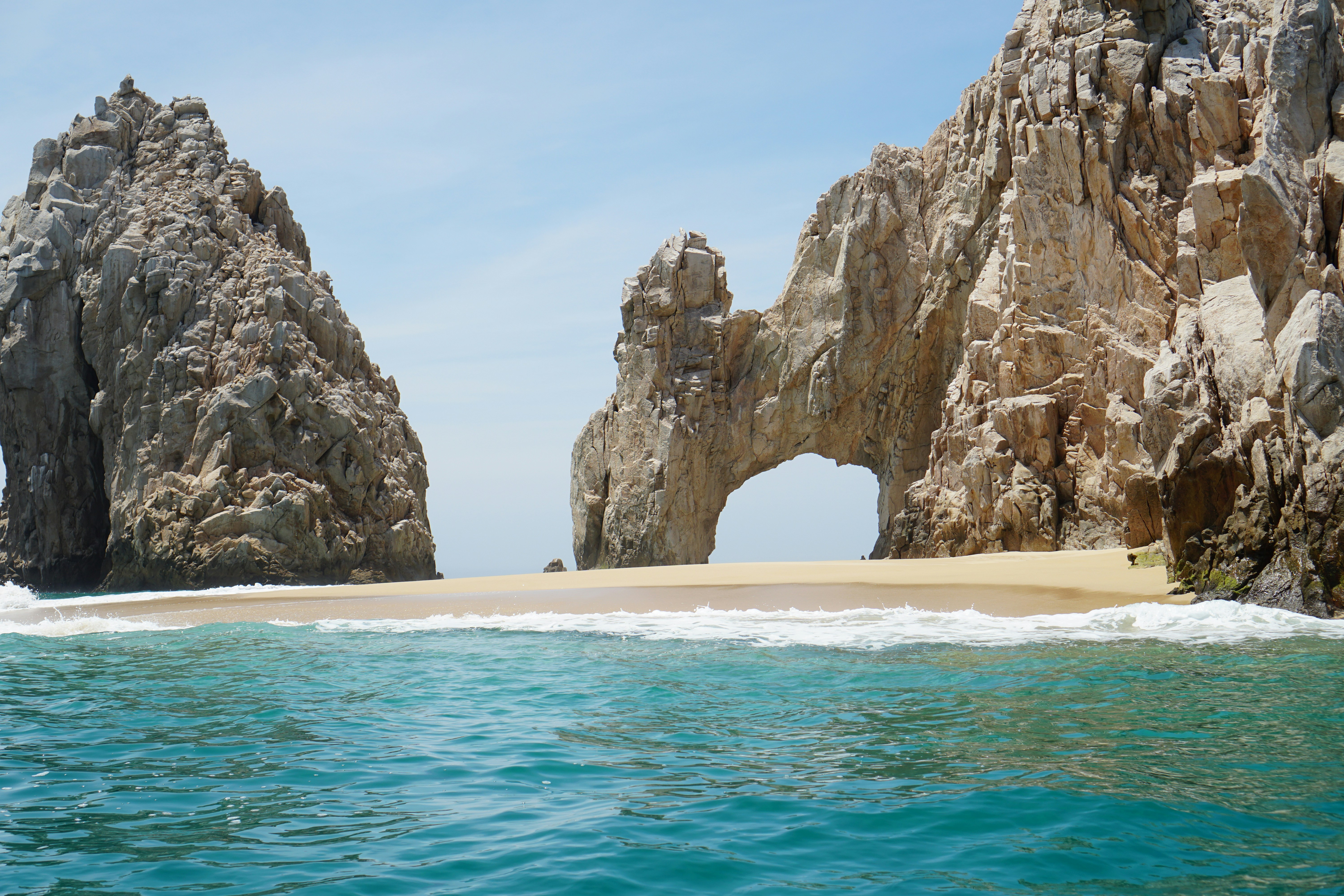
Lover’s Beach is quieter, only accessible by boat. Same with El Arco — the iconic rock formation at the tip of Baja. Tour boats, sunset cruises, and even private charters are easy to book.

You’ll also find snorkeling, diving, whale watching (in season), and some of the best sportfishing in the world. If you’re flying in soon, our guide to the Cabo San Lucas airport covers what to expect when you land.

San José del Cabo: Chill and Culture

On the opposite end of the spectrum is San José del Cabo. Same sunshine. Different vibe.

It’s more laid-back, more local. The pace slows down a bit, which is why a lot of families, retirees, and artists choose to live here.

san jose del cabo

Art, History, and Food

This side of Los Cabos still feels like Mexico. Colonial buildings, cobblestone streets, and family-run taquerías tucked between art galleries. The Art Walk every Thursday night in the historic district is worth planning for. People come from all over for it.

Local Neighborhoods

Centro Histórico is right in the heart of the old town. Walkable, peaceful, and full of charm.

Zona Hotelera runs along the coast with beachfront resorts and open-air cafés. It’s still close to town, but with an easy beach breeze.

Family-Friendly Spots

You’ll find more parks, quiet beaches, and public squares here. It’s not built around the party scene, and that’s exactly the appeal. Most families who settle here like that San José feels like a place you live — not just visit.

The Tourist Corridor

This 30-kilometer stretch connects Cabo San Lucas and San José del Cabo. Highway 1 runs the length of it, with luxury resorts, cliffside homes, and some of the best golf courses in the region lining the coast.

You’ll also find great surfing beaches, scenic viewpoints, and quiet pockets perfect for those who want a bit of both — close to everything but not right in the thick of it.

Living in Los Cabos: What to Know

Real Estate Options

You’ve got options on all ends — beachfront condos, family homes, gated communities, golf villas. Some buyers want the buzz of Cabo real estate, while others are leaning toward the slower rhythm of baja mexico real estate in San José. Either way, we can walk you through it.

Safety

Safety is always one of the first questions people ask us. In short — yes, Los Cabos is safe. But just like anywhere else, some areas are quieter than others. If you want more details, check out our articles on is Cabo safe? and is San Jose del Cabo safe?

Getting Around

Renting a car gives you the most freedom, especially if you’re visiting properties. You can drive from Cabo San Lucas to San José in under 30 minutes. Ubers are available too, though not allowed for airport pickups. For local tips, our driving in Cabo San Lucas guide covers the roads, signage, and what to expect.

Sub-Services and Activities

At Baja Properties, we offer more than real estate listings. Our clients also ask for:

  • Property management

  • Rental setups (short or long term)

  • Relocation help (documents, utilities, local setup)

  • Vacation rental searches

  • Local activity recommendations

Whether you’re staying for a week or looking for something long-term, we’re here for the day-to-day things that make life smoother.

Events and News

Los Cabos has a full calendar year-round. A few regulars:

  • Whale watching (December to April)

  • Art Walks (Thursday nights in San José)

  • Fishing tournaments in Cabo

  • Local holiday parades and music nights

Want more? Local sites like Los Cabos Guide and the Baja California Sur government page are solid places to check for updates and event permits.

FAQ

How far apart are Cabo San Lucas and San José del Cabo?
Roughly 30 minutes by car. It’s an easy drive if you rent or have a driver.

Is Los Cabos the same as Cabo San Lucas?
No. Los Cabos refers to the whole region. Cabo San Lucas is just one of the towns inside it.

Which area is better for families?
San José del Cabo. It’s quieter, more walkable, and has a more local pace.

Can you swim at all the beaches?
Not all. Strong currents in some areas make them unsafe. Medano Beach is swimmable and popular.

What’s the best time to visit?
Between October and April — good weather and more activities.

Where’s the closest airport?
Los Cabos International Airport (SJD). It’s about 20–30 minutes from both cities.

Is it safe to drive between towns?
Yes. Highway 1 is well-paved and heavily traveled.

What are the real estate prices like?
They range a lot. Condos can start around $200k, but beachfront homes go higher. To be on prime real estate, most condos will be $600k and above. Browse our Cabo real estate listings for the latest.


Want to learn more about buying or renting in Los Cabos? Reach out — we’ve been helping people find the right place here for over 30 years.

June 24, 2025

Are There Sharks in Cabo San Lucas Mexico?

sharks in cabo

Yes, there are sharks in Cabo San Lucas Mexico. But no, they’re not circling swimmers or lurking by the shore. You likely won’t spot one while lounging on the beach or swimming at Palmilla. Many people live here for decades and never see one. If they do, it’s because they booked a boat tour hoping for it.

You’ll hear more about sea turtles or rays in the shallows than you ever will about sharks. Sightings near the beach are rare. And the ones that are spotted? They tend to stay away from people. The species in these waters aren’t aggressive. Shark-related incidents are practically unheard of.

Local dive operators keep track of shark movement throughout the year. Marine researchers monitor the region too. There’s never been a reason for closures, shoreline warnings, or panicked alerts.

Most of the beaches are calm and clear, especially along the Sea of Cortez. It’s warmer and gentler than the Pacific side. Red flags get posted now and then - but that’s for surf or currents, not sharks.

And if you're still wondering is Cabo San Lucas safe, we’ve got a full article that breaks it all down.

Where Are Sharks Typically Seen in Cabo?

If you’ve seen shark videos from Cabo, they weren’t filmed on the beach. They were likely captured:

  • During open-water dives around Gordo Banks or Cabo Pulmo
  • From deep-sea fishing boats offshore
  • At marine research stations along the coast

These are places far from the public swim zones. You’d need a boat and a wetsuit to find them.

swimming with sharks in cabo

What Types of Sharks Are in Cabo Mexico?

Cabo is where the Sea of Cortez meets the Pacific Ocean. That mix creates one of the most diverse marine zones in the world. Sharks are part of the balance - drawn by warm water, depth, and plenty to eat.

Here are some species you might hear about:

  • Hammerhead Sharks – Found offshore, often around seamounts. Not near the beach.
  • Whale Sharks – Giant but harmless. Tour companies offer seasonal snorkeling trips.
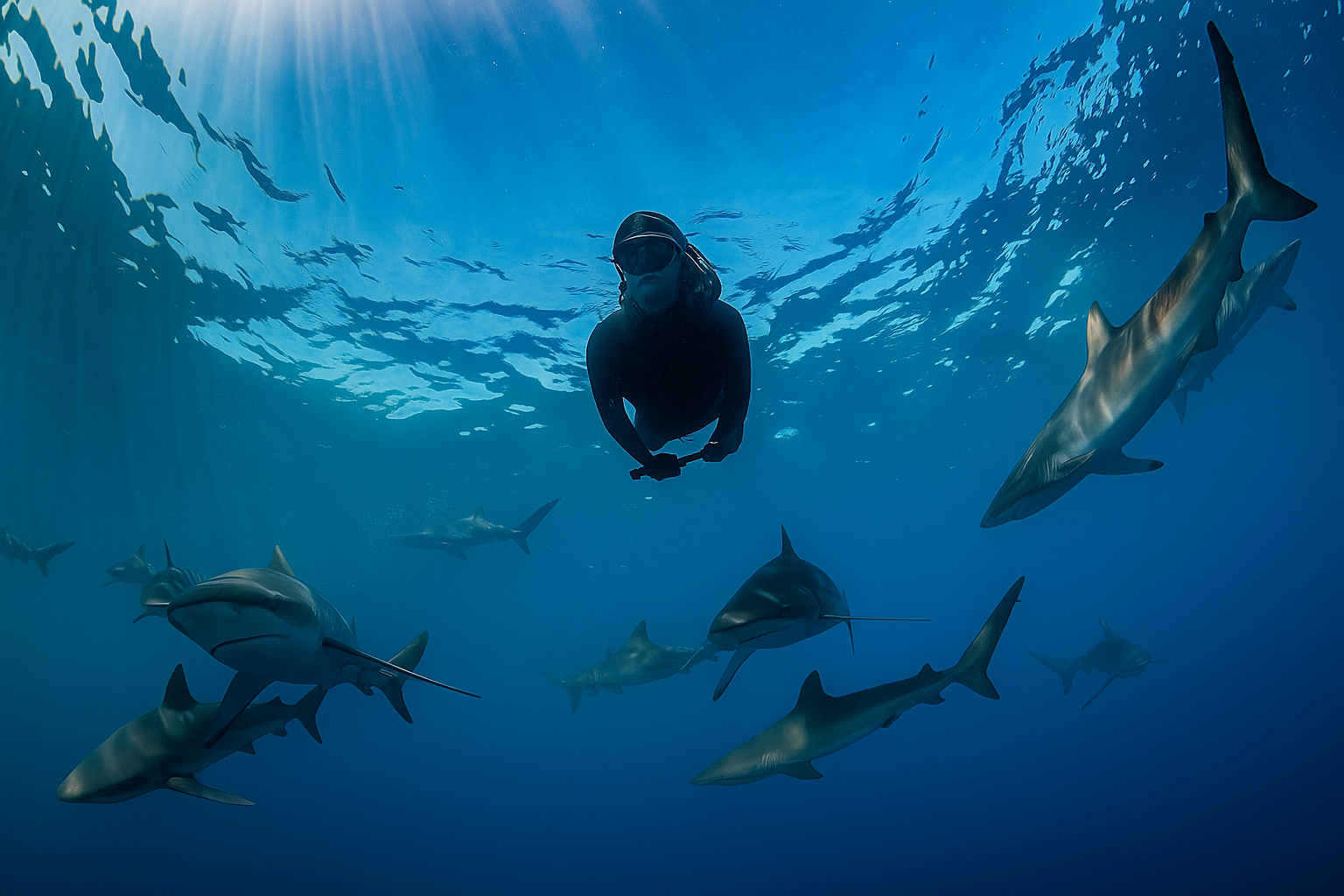
  • Silky Sharks – Seen more on dives than anywhere else. No threat to swimmers.
  • Tiger and Bull Sharks – Rare, deep water species. Not close to shore.
  • Mako Sharks – Fast movers, typically spotted way out by anglers or divers.
  • Thresher Sharks – Noted for their long tails. Found occasionally in deep zones.

A few reef species show up here and there, but they stick to offshore habitats or marine reserves.

Is It Safe to Swim in Cabo San Lucas?

Yes. The main swimming beaches in Cabo are safe and patrolled. Local authorities monitor conditions daily, and lifeguards post visible flag warnings when needed. Shark-related incidents? None in recent memory.

That said, some beaches along the Pacific side aren’t recommended for swimming, but the reason is the current - not predators. Those beaches are still beautiful for walking, sunbathing, or surf photography.

If you’re concerned, stick to known swimmable beaches like:

  • Palmilla Beach in San José del Cabo
  • Chileno Bay and Santa Maria Beach along the corridor
  • Medano Beach in Cabo San Lucas (the most popular)

These are calm, clear, and close to amenities.

Where to See Sharks (If You Actually Want To)

Cabo is one of the top places in the world for shark diving - especially for travelers who want to see sharks up close but safely.

You can book:

  • Snorkeling trips with whale sharks – usually 2 hours from Cabo, near La Paz
  • Open-water dive tours – Gordo Banks, Cabo Pulmo, or offshore sites around the peninsula
  • Cage dives – less common than in places like Guadalupe Island but sometimes offered for mako sightings

swim with sharks in cabo mexico

Operators follow strict safety and conservation rules. These tours don’t use baiting or practices that harm animals.

If you’re not diving, you can also visit the Cabo San Lucas Marina to learn more. Many tours leave from there, and marine life displays or educational stands are often available.

What About Local Life?

If you’re thinking about buying or renting in Baja, shark concerns don’t even come up. Locals surf, snorkel, swim, fish, and paddleboard year-round. Shark attacks are not a thing here.

And the area isn’t just about beaches. San José del Cabo is known for its Thursday night art walks, organic markets, and golf communities. Cabo San Lucas leans younger - more nightlife, beach clubs, and energy. Either way, the water is part of life.

If you're considering Baja Mexico real estate, focus on the lifestyle - not on the wildlife. Most communities have beachfront or ocean-view homes, and none of them are posting shark warnings.

When Are Sharks Most Active in Cabo?

Different species have different seasons. For example:

  • Whale sharks: October through April, mostly north near La Paz
  • Silky sharks and hammerheads: Peak during summer and fall
  • Mako sharks: More common in winter offshore

But even then, it’s not like they’re flooding the area. These are subtle changes for those tracking migrations, not something the average beachgoer notices.

A Quick FAQ

Are there sharks in Cabo San Lucas Mexico?
Yes, but they aren’t a risk to swimmers or beachgoers. They’re part of the larger marine ecosystem.

Is Cabo safe to swim in?
Yes. Stick to known swimmable beaches and pay attention to surf and flag conditions.

Can I swim with sharks in Cabo?
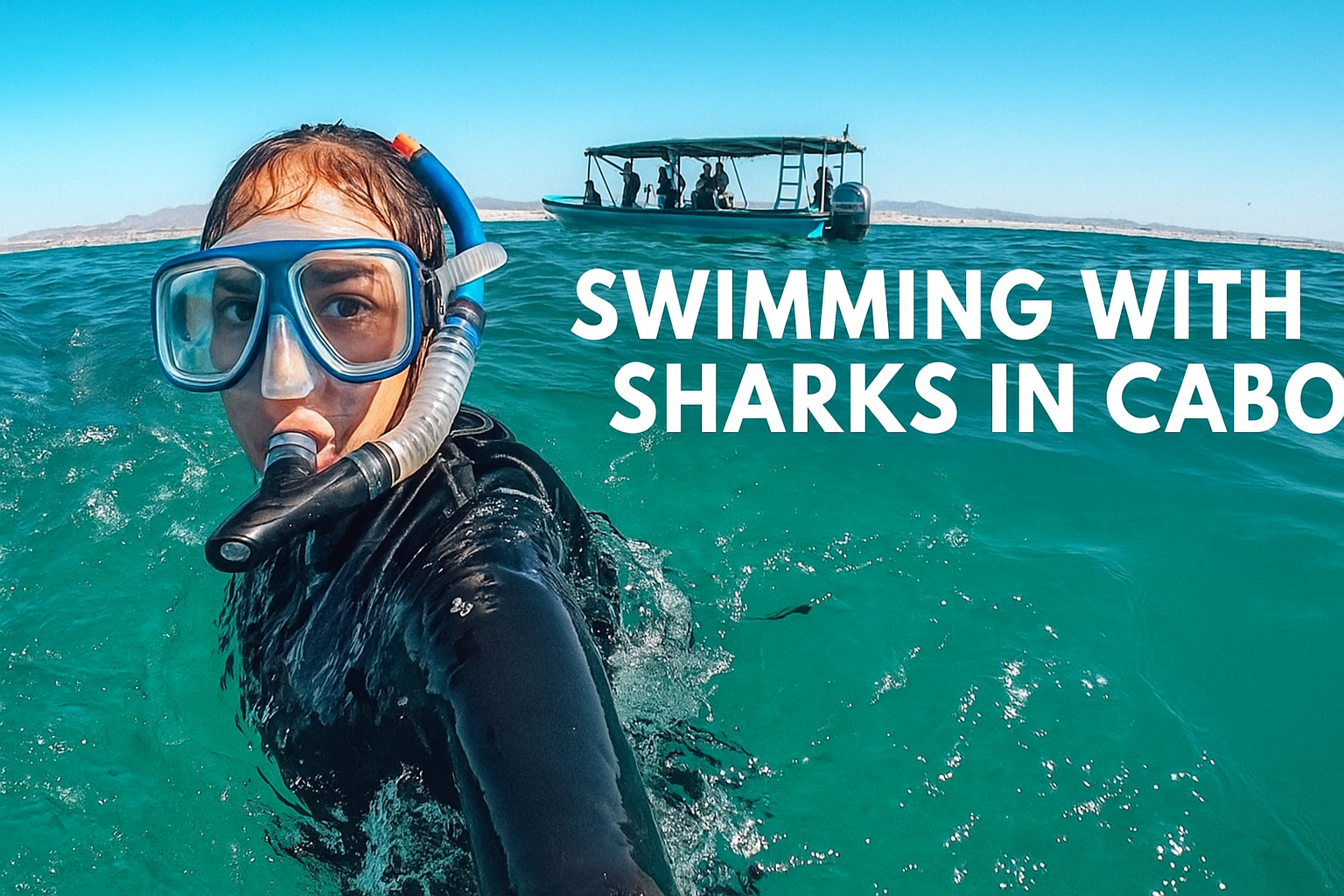
Yes - with a tour. Whale shark snorkeling is very popular, and open-water dives offer more adventurous options.

Do locals worry about sharks?
Not at all. Most locals surf and swim often and never encounter one.

Are there shark attacks in Cabo?
No recent reports. This area has extremely low incident rates.

Is it safe to swim at the beach in Cabo?

Yes, but be aware or flags and speak to locals or your resort on which beaches are safe to swim.


Can I surf in Cabo?

Yes, Cabo is a surfers paradise! Read more about the best places to surf in our article "Can I surf in Cabo?"

Is Cabo Safe?

When it comes to sharks, there's no guarantees but you're more than likely safe while swimming near the shore.

Summary

Yes, sharks are here. But they’re not waiting for you in the surf. They’re offshore - part of what makes this part of the world so rich underwater. If you’re swimming in Cabo, you’re safe. If you’re looking for sharks, you’ll need a boat. Either way, it’s worth experiencing.

If you're planning a visit or thinking about buying in the area, focus on what life really feels like here. It’s beach walks, warm water, and that constant blue on the horizon - not jaws music.

And if you want to explore homes nearby, you can check current listings at Baja Properties or reach out to a local agent who actually lives here.

June 15, 2025

Can Foreigners Buy Property in Mexico? An Insider's Guide to Cabo Real Estate

Can foreigners buy property in Mexico? Yes, they definitely can. I've helped buyers at Baja Properties navigate this process for years, it comes up all the time. Cabo San Lucas and San José del Cabo are hotspots: sun, surf, strong tourist economy... what's not to love?

Why Mexico, and specifically Cabo and Cabo San Lucas, are top choices for foreign property buyers

Mexico is a winner when it comes to warm weather, more affordable living, and long-term growth potential. And the vibe? Way more authentic than what brochures show. Cabo gives you ocean views, modern amenities, upscale dining, and a colorful mix of locals and expats. Plus, property values don't just sit still here-they grow, especially with the tourist flow feeding the rental market.

can foreign buyers buy in mexico

Can Foreigners Buy Property in Mexico?

Yep, foreigners can buy property in Mexico. There are some hoops to jump through, depending where you're buying, but it's all doable with the right setup.

  • Direct Ownership vs. Restricted Zones: If the property's outside the coastal border zones (50 km from the ocean or 100 km from the border), you can hold it outright, no trust needed.
  • Buying in Cabo and Cabo San Lucas: Here on the coast? You'll run it through a bank trust (called a fideicomiso). It's how foreigners hold title legally here.


Understanding the Restricted Zone and the Fideicomiso (Bank Trust)

If you're eyeing anything within 50 km of the coast or within 100 km of a border, that's the Restricted Zone. So yeah, Cabo is squarely in that territory.

The fideicomiso isn't as scary as it sounds. Here's the deal:

  • You keep full control and use of your property through the trust.
  • The bank's name is technically on the title, but they don't mess with your rights.
  • It's valid for 50 years, and yes, it can be extended or renewed with no problem.

It's a structure that works. Hundreds of buyers from the U.S. and Canada do it every year without issues. Owning in Los Cabos via a trust is normal here-it's just part of the game.

The Real Estate Market in Mexico: Trends and Insights

cabo condos for sale

The Cabo market's been hot, and it's not cooling off anytime soon. Vacation homes, income properties, even live-in full-time setups are going fast. You'll see lots of action around Los Cabos condos for sale, ocean-view villas, and projects that mix retail and residential living into one spot.

If you're into sunny weather, healthcare options, and a low-maintenance semi-retired vibe, this market checks a lot of boxes. Especially for folks coming south from the U.S. and Canada.

Current Supply and Demand Dynamics

It's tight. Inventory's low. If you see something you love in Cabo-especially along the Corridor or Pacific-it won't sit on the market long. That demand keeps sellers in control, and prices reflect that energy.

Buyers who wait for a dip could be waiting a while or left with less to choose from.

Best Places to Invest in Real Estate in Mexico

Sure, places like Riviera Maya and Mexico City are solid in their own right. But if you're after top-tier value, consistently strong rental interest, and cushy lifestyle perks, Cabo and San José usually edge everybody else out. Gated communities, newer infrastructure, and the vibe-well, it's tough to beat.

how to buy a home in mexico

Step-by-Step Guide: How to Buy Property in Mexico

  1. Start with the right property: A local agent who knows the terrain, like one from Baja Properties, is gold here.
  2. Dig into due diligence: Dive into the title status, zoning, and ownership docs. No guesswork.
  3. Make a thoughtful offer: Your agent helps you keep it real-what's possible vs. what's just dreaming.
  4. Loop in a Notary Public: Unlike elsewhere, a licensed notario is legally required here to register the sale.
  5. Gather the paperwork: IDs, bank info, trust paperwork, utility transfers-everything standard.

Legal and Financial Considerations

Hire a local real estate attorney. I mean it. We've got go-to lawyers here in Cabo who know which questions to ask before things go sideways. It's not a huge cost and it saves headaches.

Financing? Totally possible. Mexican banks offer mortgages-even geared toward foreigners-but they'll want 20% to 40% down, depending on the situation. Ask around; some banks in town know how to deal with gringos.

Financing and Mortgage Market Update

You can get a mortgage here even as a foreigner. Most banks in Cabo that cater to expats know exactly how to navigate the process. Interest rates hover in the 7% to 9% range-pretty standard. Bonus: you might be able to choose pesos or U.S. dollars depending on your income flow.

Risks and Pitfalls When Buying Property in Mexico

If someone's offering beachside land way below market? Double-check that title. A lot of too-good-to-be-true spots turn out to be ejido land, which is communal and not always privately saleable.

Real talk: One couple I worked with almost grabbed a waterfront gem outside Todo Santos, but after some digging, turned out it didn't have the right paperwork. They ended up scoring a better piece just a few streets back-with official title in hand and way less risk.

Also, paperwork moves slower in Cabo. That's just how it is. Don't expect the same red tape rhythm as back home. Patience (and a local team) goes a long way here.

Emerging Trends Shaping the Market

  • Sustainable builds with solar, greywater systems, and minimalist footprints
  • Neighborhoods where you can live, work, and grab tacos-all on the same block
  • Investors asking a lot more about local impact and long-term tourism balance

Residency and Immigration: Can You Get Residency by Buying Property?

Technically? Yeah. If you're investing about $250,000 USD or more into property here, it could help you qualify for a residency visa. You won't get it automatically, but it can tip the scales if other criteria line up. We've worked with legal advisors who specialize in making that piece easier.

Recommendations and Best Practices

  • Only work with licensed, experienced agents who’ve handled foreign deals-Baja Properties has been doing this in Cabo since before it was cool.
  • Get used to the local cadence. Things take time, haggling's a thing, and utility rulebooks aren't the same.
  • Think beyond property lines-what's traffic like? When do the surfers hit Zippers? Is there a grocery store five minutes away or a mountain goat trail?


Frequently Asked Questions (FAQ)

  • Can foreigners own property anywhere in Mexico? Only outside the restricted zone, or inside the zone using a fideicomiso.
  • What is a fideicomiso and why is it required? A trust set up through a Mexican bank that allows foreigners to purchase property in coastal or border areas.
  • Do I need to be a resident to buy property in Mexico? No, residency is not required for property ownership.
  • Can foreigners get a mortgage or bank loan in Mexico? Yes, though lending criteria are stricter. Several banks in Cabo offer options specifically for expats.
  • What documents are needed to buy property in Mexico? Valid ID, visa, proof of income, property verification documents, and a fideicomiso application if applicable.
  • What are the main costs involved in buying property? Closing costs (3–6% of property value), trust setup fees, notary fees, and legal support.
  • What are the risks of buying ejido land? Ejido lands are communal and often cannot be privately sold unless legally regularized.
  • How do I verify property titles and avoid scams? Always work through a reputable brokerage like Baja Properties.
  • Can I rent out my Mexican property? Yes, properties in Cabo are ideal vacation rentals thanks to steady tourist traffic.
  • What are the benefits of owning property in Mexico? Appreciation, rental income, lifestyle, and potential residency benefits.
  • Is it a buyer's or seller's market in 2025? Most regions, including Cabo, remain seller-friendly due to inventory pressures.
  • Are there affordable options in Cabo and Cabo San Lucas? Yes, especially as you move inland or explore up-and-coming communities.
  • How do regional price differences affect my investment? Cabo's premium pricing reflects its high demand and stability, making it a solid long-term investment.
  • What are the latest trends in sustainable and mixed-use developments? Cabo leads with eco-resorts and walkable luxury neighborhoods combining homes, shops, and services.
  • Are there unique legal or practical considerations for buying in Cabo and Cabo San Lucas? Yes, local rules, environmental reviews, and native title issues require expert navigation.
  • How does urban housing shortage impact buyers? It creates urgency-waiting could mean paying significantly more down the road.
  • What makes Cabo and Cabo San Lucas attractive for foreign investors? Safety, luxury lifestyle, tourism demand, and established expat communities. Speaking of which, here's what you need to know: Is Cabo San Lucas safe?
June 10, 2025

Can You Surf in Cabo? A Local Expert's Guide to Riding Waves in Los Cabos

Can you surf in Cabo Mexico? Definitely. I've been around these breaks a while now with Baja Properties, and honestly - the answer's never been no. Surfers show up for the vibes and stay for the wave variety. Whether you're paddling out on your first soft top or chasing something hollow and heavy, Cabo's got real surf worth dialing in.

Overview of Los Cabos as a world-class surfing destination

Here at Baja's southern tip, you get swell energy from both the Pacific and Sea of Cortez. That overlap means it's rare things go totally flat. There's a wild mix on offer - beachy peelers, reefy pits, head-high walls, and glassy little runners. Of course, the sunshine doesn't exactly ruin the experience either. Most days here are bright - over 300 a year, in fact - and the water's warm enough to ditch the wetsuit most of the year. Maybe that's why more people are moving to Cabo full-time.

Surfing in Los Cabos: Quick Facts & What Makes It Unique

  • Year-round surf potential: You'd be surprised how often there's something to ride, even in "off" months.
  • Variety of breaks: From cruisy beginner rollers to rugged reefs you'll want to ask a local about first.
  • Friendly surf scene: Local surfers here tend to be welcoming - and surf schools keep things mellow.

Surf Seasons in Los Cabos: When to Go

  • Summer (June-August): South swells roll into East Cape - smooth, clean rights most mornings.
  • Fall (September-November): Combo swells make for fun variety. Fewer people, too.
  • Winter (December-February): Bigger Pacific pulses start showing - more punch, more wetsuit, more commitment.
  • Spring (March-May): In-between, kind of, but still surfable. Pretty quiet lineup-wise.

Honestly? Fall is my go-to. You get glassy mornings, solid wave windows, and sometimes La Roca with just you and one or two others at dawn. Not bad.

Main Surf Regions of Los Cabos

  • East Cape: Rugged and a bit remote. Waves like Shipwrecks and Nine Palms take some effort to reach - but they deliver when it's on.
  • Costa Azul: Probably the most surfed stretch. Think Zippers, The Rock, Old Man's - all within minutes of San José del Cabo.
  • Pacific Coast: Best in winter - Cerritos gets talked about for a reason. It's just a good, versatile wave everyone can find something on.
  • Cabo San Lucas: More famous for tequila than surf, fair enough - still, spots like Monuments offer up fast, fun lefts for the savvy.


Best Surf Spots in Los Cabos by Skill Level

Beginner Surf Spots

  • Old Man's Beach (Costa Azul)
  • Cerritos Beach (Pacific Coast)

Just starting out? Old Man's is a solid call. Chill corner of Costa Azul with easy roll-ins and nothing sketchy lurking underneath. And if you're checking out neighborhoods around San José, it's one of those spots it's nice to live near.

Intermediate Surf Spots

  • Zippers (Costa Azul)
  • The Rock (Costa Azul)
  • Nine Palms (East Cape)

Advanced Surf Spots

  • Monumentos Beach (Cabo San Lucas)
  • Shipwrecks (East Cape)
  • La Roca
  • Todos Santos (Pacific Coast, winter only)


Top Individual Surf Breaks: What to Expect

  • Zippers: Tight takeoffs, quick turns, and usually a bit of a crowd. Still worth jumping in - it's iconic.
  • Old Man's: Roller-coaster rides that go forever. Perfect for dialing in the basics or trimming on a longboard.
  • The Rock: A hair faster than Old Man's, with more push. Not for total beginners, but smooth when it works.
  • Monuments: Left break, sharp reef, and not much margin for error. Fun - but come prepared.
  • Shipwrecks: Harder to reach, hits hard when it's firing. Locals say bring extra wax, snacks, and good tires.
  • Nine Palms: Long, wrapping right-handers out in the Cape. Ideal place to road trip for a logging session.
  • Cerritos: Nice balance of form and friendliness. Families grilling nearby, but also enough wave for a real session.
  • La Roca: Punchy, hollow, and not exactly forgiving. Definitely a locals' favorite for a reason.

Surf Camps, Lessons, and Rentals in Los Cabos

The main surf hubs - Costa Azul and Cerritos - are full of gear shops and instructors. Mike Doyle Surf School is laid-back and great for travelers. High Tide's solid too, especially for private sessions. Boards? You'll find everything from softies to short twins. If you're posting up for a few days, Drift and Cabo Surf Hotel are both dialed in for surfers - board racks, quick access, coffee early enough for dawn missions.

Planning Your Surf Trip to Los Cabos

Even if it looks short on the map, getting from one break to another can take a minute. East Cape, especially, demands dirt-road patience and decent suspension. Want to surf Nine Palms at dawn? You're setting out early. Our driving in Cabo guide spells it out. And if you need a place with board lockers and a patio view of the sets rolling in? Reach out and we’ll be happy to point you in the right direction.

Emerging Surf Trends in Los Cabos

There's been a shift - more surfers are looking for sustainability, not mega-resorts. Especially along East Cape, you'll find spots where shapers, eco-hotels, and homebuilders are dialing in lighter footprints. It's not just about waves anymore. It's about staying stoked without wrecking the beach you came for.

Frequently Asked Questions (FAQ)

  • When is the best time to surf in Los Cabos? Fall and late summer usually hit a nice groove - good swell, fewer people.
  • What are the best surf spots for beginners, intermediates, and advanced surfers? Beginners: Old Man's, Cerritos. Intermediate: Zippers, Nine Palms. Advanced: Monuments, La Roca.
  • Can I surf year-round in Cabo San Lucas? Yes - swells can show up any time thanks to Cabo's split-coast setup.
  • Are there surf schools and rentals available? For sure. From basic beginner lessons to performance boards, it's all easy to find.
  • What are the main differences between East Cape, Costa Azul, and the Pacific Coast? East Cape's raw and remote, Costa Azul's easy and consistent, and the Pacific side depends more on season but has charm for days.
  • Is Los Cabos suitable for family surf trips? Yes - beaches like Cerritos are extra family-friendly, with calm days and stuff for kids close by.
  • What kind of waves and conditions can I expect at Zippers, Old Man's, and Monuments? Zippers is tight and tricky, Old Man's is smooth like butter, and Monuments... well, it's for people who've been around a few reefs.
  • How crowded are the surf breaks? Depends. Zippers and Old Man's get busy. Drive a bit farther - like to Nine Palms - and it quiets down.
  • Are there eco-friendly or sustainable surf options? Yep, especially out along East Cape. A lot of newer places are going green on purpose.
  • What are the best places to stay for surfers in Cabo? You've got Cabo Surf Hotel, Drift, and some great local rentals near the main breaks.
  • How do I get to the more remote surf spots like Shipwrecks or Nine Palms? You'll want a car with clearance - it's a rough ride. Start with our driving guide.
  • Is it safe to surf in Los Cabos? Yes. Seriously. Ask any local surf guide - or take a peek at our deeper dive: Is Cabo San Lucas safe?
  • What is the local surf etiquette? Be cool - wait your turn, don't snake, respect locals. It's not rocket science.
  • Can I book guided surf tours or custom surf trips? Absolutely. Tons of outfitters do both - just ask around or message one in advance.
  • Are there surf competitions or events in Cabo? Yes - especially at Zippers. Pro/Am events happen each season, and they draw serious talent.


June 7, 2025

The Ultimate Guide to Pickleball in Cabo San Lucas & Los Cabos (2025)

The Ultimate Guide to Pickleball in Cabo San Lucas & Los Cabos (2025)

Cabo pickleball has really taken off, and now it's one of the go-to ways to have fun and stay active in the sun around Los Cabos. Locals are playing. Expats? Obsessed. Even first-timers are diving in. The courts are solid, the days are warm, and people here make room for new players - which, let's be honest, isn't always standard everywhere.

Pickleball's explosive growth in Los Cabos

A few years back, you had to ask around to find a court. Now they're popping up in community centers and tucked into neighborhoods all over Cabo. It's like every new development wants to add a pool, a gym, and - yep - a pickleball court. Makes sense with this much sunshine and so many friendly faces walking around with paddles.

Why Cabo is a top pickleball destination for all skill levels

You don't have to be Serena with a paddle to play here. First-timer or tournament-chaser, you'll find somewhere that fits your pace. Lessons are easy to book (in both English and Spanish), and court time? Usually not a headache. Cabo's got that sweet spot - easygoing access with just enough structure to keep things fun.

What is Pickleball?

Think tennis meets ping-pong meets badminton - but way more social and beginner-friendly. The court's compact and the game moves fast, but you won't feel lost even if you've never played a sport with a paddle before.

All you need is a paddle, a perforated ball, and a decent sense of humor when your first few serves hit the net. And the best part? You don't even need a partner to start. That's why living in Cabo San Lucas clicks for those who want to stay active and, honestly, make a few friends while they're at it.


The Rise of Pickleball in Cabo San Lucas & Los Cabos

Rewind a decade and you might've struggled to find anyone who knew what pickleball meant. Now? Resorts build courts with ocean views, and private clubs host full-blown tournaments with trophies and everything.

I've played a few pickup games with clients after showings - one woman from Scottsdale even ended up buying in a community with pickleball courts being one of her must-have’s. She said it felt like the universe lobbed her a perfect setup. Hard to argue with that.

Where to Play Pickleball in Cabo: The Complete List of Courts

Resort & Private Community Courts

You can find pickleball in all of the following communities.

Public & Club Courts

Some of the more accessible pickleball courts include

How to Book a Court or Join a Game

It kind of depends where you're staying. Resorts usually let guests book in advance. Clubs like Cabo Pickleball Club sometimes allow walk-ins, especially in low season. Want to jump into a casual match? Facebook groups and WhatsApp chats are where half the action gets organized these days. Ask around - you'll find a game.

Pickleball Tournaments, Events, and Social Play

You don't have to be medal-bound to get out there. From chill drop-in mornings to weekend mixers where people bring snacks and stories, Cabo's got something for everyone. I've seen some tournaments where the post-game beers nearly outlasted the final match. That's the energy.

Pickleball Lessons, Clinics, and Group Instruction

Totally fine if you've never picked up a paddle. Seriously. Coaches here break things down clearly. You can find courts, coaches, and people to play with on PickleHeads.com

What to Expect: Pickleball Culture in Cabo

Cabo's pickleball community just feels... real. Locals linger to chat after matches. Some people bring their kids, others bring their playlists. It's that sweet mix of relaxed and competitive, like you're playing hard but also halfway planning your post-game tacos. You'll see retirees, full-time expats, and snowbirds holding court together. Nothing cliquey or over-the-top serious.

Tips for Visiting Pickleball Players

  • What to pack: Paddle, court shoes (or runners), a decent hat, sunscreen (trust me), and a solid water bottle.
  • Best time to play: Aim for mornings or late afternoons, especially from November to May - dramatically better breeze.
  • Court etiquette: Say hey, rotate in, stay mellow. Cabo's rhythm isn't made for rushing.

Frequently Asked Questions (FAQ)

  • Where can I play pickleball in Cabo San Lucas and Los Cabos? Scroll up - we've got a full list of courts at resorts and public clubs. You can also use the court locator tool on PickleHeads.com.
  • Are there public pickleball courts or do I need to stay at a resort? You don't have to stay at a resort - plenty of clubs and community courts welcome walk-ins and visitors.
  • How do I book a court or join a game? Check club websites or hit local Facebook and WhatsApp groups. Most casual matches are open to guests.
  • Can I rent equipment or do I need to bring my own paddle? You can rent gear at many places, but locals will tell you - bringing your own paddle just feels better.
  • Are there pickleball tournaments or events I can join as a visitor? Definitely. A lot of events are geared toward mixed-level players and travelers.
  • Which resorts have pickleball courts? Full list under "Where to Play Pickleball" above.
  • Are lessons or clinics available for beginners? Absolutely. Most clubs and resorts offer both private and group options.
  • Is pickleball popular among locals or mostly tourists? Both. Weekday games might skew local. Weekends see a mix of snowbirds, retirees, and vacation drop-ins.
  • What is the cost to play pickleball in Cabo? Prices vary - some public spots are free, others charge $10–$30 USD per session.
  • Are courts available year-round? Yes, year-round sunshine means year-round paddle slams.
  • Can I organize a group event or private game? For sure - just contact the club or resort ahead of time to lock it in.
  • What is the best time of year for outdoor pickleball in Cabo? November through May wins for cooler mornings and less humidity.
  • Are there any pickleball communities or clubs I can join? Yep - try Cabo Pickleball Club or Club San Lazaro to start.
  • Is the sport family-friendly and suitable for kids? Totally. Some courts even have smaller paddles and fun family events.
  • How do I connect with other players during my stay? Look up Cabo pickleball Facebook groups or see if your resort has a game board posted. Those WhatsApp chats move fast.

Is Cabo San Lucas the Right Pickleball Destination for You?

Most likely. Cabo's no longer just a vacation stop - it's a place people come back to, or flat-out move for. The outdoor lifestyle, daily sunshine, and friendly culture draw all kinds. I've had clients discover their ideal neighborhood after a morning match turned into margaritas and house-hunting. Happens more than you'd think.

And safety? It's a fair question. Is Cabo San Lucas safe? Short answer: yes. It's watched over pretty well, and the vibe's more small town than big resort circus.

Thinking long-term - even part-time? Our team at Baja Properties knows the drill. We've helped folks figure out the quirks of driving in Cabo San Lucas, owning here, and finding a place where both the morning view and the pickleball schedule hit just right.

Ready to make Cabo your home court? Contact Baja Properties for help with buying, selling, or finding a home base near your favorite court. Whether it's a villa with a view or a condo close to downtown, we've got you covered.

Posted in Pickleball