


Nestled along the eastern coast of Mexico's Baja California Peninsula just over an hour up the road from the Los Cabos International Airport, Cabo Pulmo is a small, unassuming village that has become a beacon for eco-conscious travelers and nature enthusiasts, It’s favorite for day trips from Los Cabos, or longer diving and snorkeling visits, to explore its dazzling coral reef, which writer John Steinbeck called “electric” in his 1941 book, The Log of the Sea of Cortez.

Here we answer a few of your questions about this magical place:
What is the history of Cabo Pulmo?
What is there to do in Cabo Pulmo?
Where can I eat in Cabo Pulmo?
Where can I stay in Cabo Pulmo?
When should I visit Cabo Pulmo?

What is the history of Cabo Pulmo?
Jacques Cousteau, the renowned French oceanographer and explorer, played a significant role in drawing attention to the marine wonders of the tiny fishing village of Cabo Pulmo. In the 1960s, Cousteau and his team visited the Gulf of California, including the waters around Cabo Pulmo, as part of their extensive exploration and documentation of the world's oceans.
During his time in Cabo Pulmo, Cousteau was captivated by the region's vibrant coral reef, estimated to be around 20,000 years old, and the incredible diversity of marine life it supported. He described the area as "the world's aquarium" due to its remarkable underwater beauty and abundance of life.
Cousteau's documentation of Cabo Pulmo through his films, books, and television series "The Undersea World of Jacques Cousteau" helped to raise international awareness of the importance of this unique ecosystem. His work also highlighted the need for conservation efforts to protect the reef and its inhabitants from the threats of overfishing and environmental degradation.
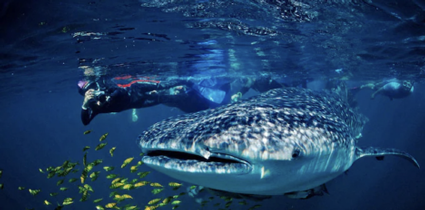
In 1995, the local community, recognizing the need for change, banded together to establish the Cabo Pulmo National Marine Park. This protected area, spanning over 17,500 acres of marine habitat, marked a turning point in the village's history. By embracing ecotourism and sustainable fishing practices, the community began to see a resurgence in the health of the reef and the return of once-depleted fish populations.
In 2005 it was recognized as a UNESCO World Heritage Site and Cabo Pulmo was named a Ramsar Wetland of International Importance in 2008.
Today, Cabo Pulmo stands as a testament to the power of community-driven conservation. The marine park boasts a 463% increase in fish biomass, making it one of the most successful marine conservation projects in the world. As the village continues to prioritize sustainability and responsible tourism, it serves as an inspiration for coastal communities worldwide, proving that with dedication and vision, it is possible to restore and protect our planet's precious ecosystems.
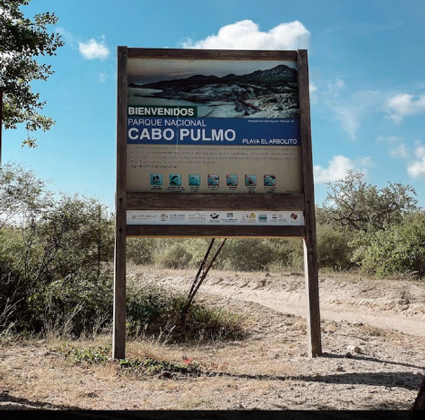
How do I get to Cabo Pulmo?
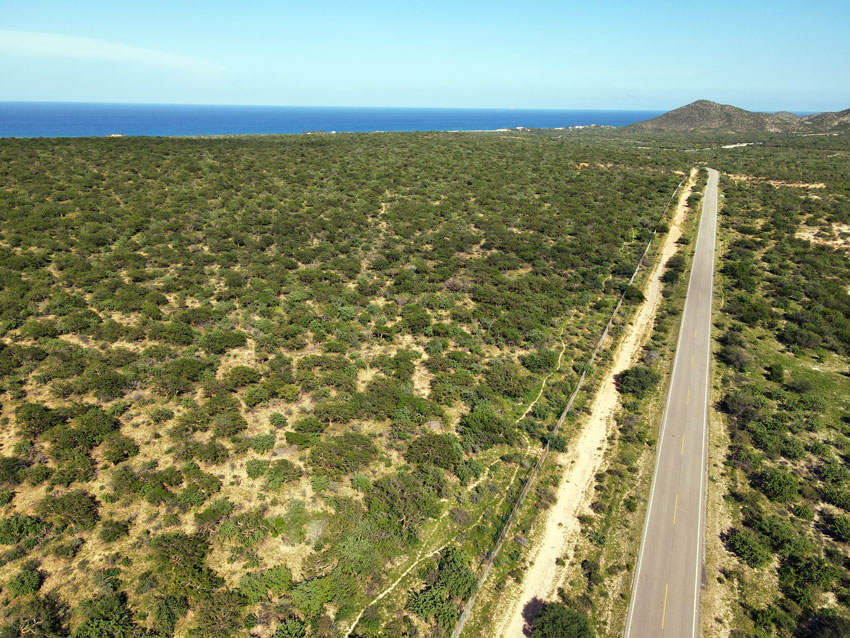
To reach Cabo Pulmo, visitors typically fly into Los Cabos International Airport (SJD) and then embark on a scenic drive up the coast. The journey takes you through the stunning desert landscape of the Baja Peninsula, with the sparkling waters of the Gulf of California on one side and the rugged Sierra de la Laguna mountain range on the other. You can take the highway and turn off at La Ribera near Costa Palmas, or if your vehicle is more rugged and you don’t mind a few bumps, take the East Cape road from San Jose del Cabo all the way up. It offers gorgeous beaches and captures the wildness of old Cabo.
There are also numerous day tours leaving from Cabo San Lucas and San Jose del Cabo if you would like to leave the driving to someone else.
What is there to do in Cabo Pulmo?
The main draw of Cabo Pulmo is undoubtedly its spectacular marine life. The national marine park is home to over 6,000 species of marine animals, including giant manta rays, whale sharks, sea turtles, and a variety of colorful tropical fish.
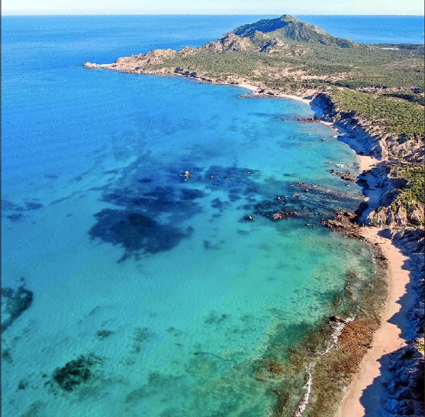
Snorkeling and diving are the best ways to explore this underwater wonderland, with many operators offering guided tours for all skill levels. Good places to snorkel include Los Arbolitos, where you can access the reef from the beach. There’s a small fee to park there, but they have a nice boardwalk and restrooms.
From Arbolitos it's just a short hike to La Sirenita, known for its gorgeous rock formations and crystal clear water. Sea kayaking is also a great way to get out on Cabo Pulmo’s bay and there are a number of operators and guides to choose from.
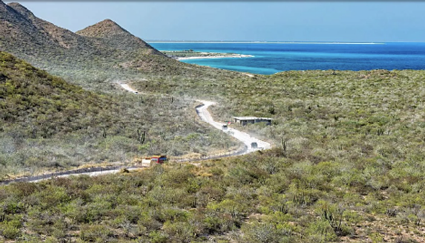
For those who prefer to stay on land, the area surrounding Cabo Pulmo offers plenty of opportunities for hiking, birdwatching, and wildlife spotting. The nearby Sierra de la Laguna Biosphere Reserve is home to a variety of endemic plant and animal species, including the elusive cape pygmy owl and the Xantus's hummingbird.
Endemic flora like ironwood and viejito thrive alongside a menagerie of rare creatures including the Baja blue rock lizard and San Lucan skink. With 41 endangered species among its diverse inhabitants, this captivating landscape beckons to be explored and protected.
Where can I eat in Cabo Pulmo?
Cabo Pulmo offers a small array of culinary delights for adventurous travelers. Despite its remote location and limited dining options, the handful of restaurants in this charming village serve up authentic flavors and unforgettable experiences. Just remember hours may vary, depending on the season, and it’s wise to take cash with you.
For a taste of traditional Mexican cuisine with a beachfront view, head to La Palapa Restaurant at the Cabo Pulmo Beach Resort. Here, you'll find fresh seafood dishes, hearty breakfasts, and a variety of international favorites.
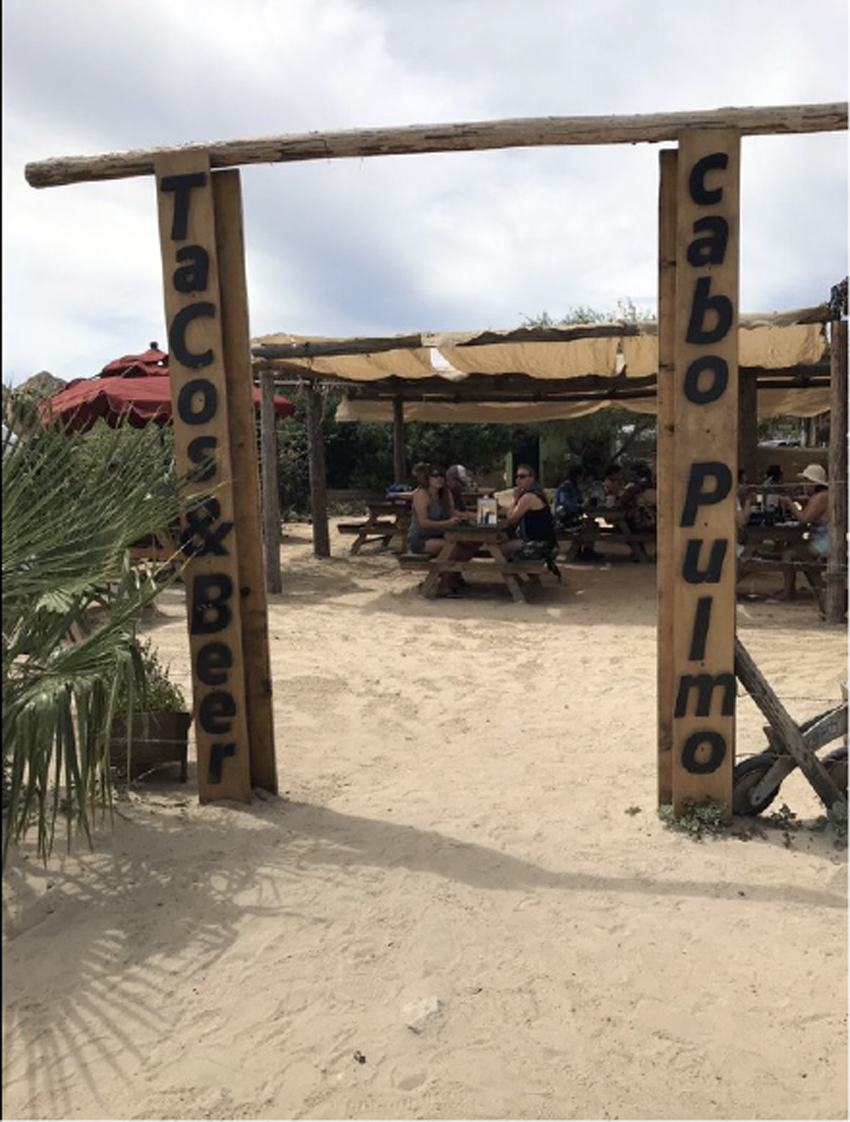
Tacos & Beer Cabo Pulmo restaurant is just as its name describes, on the beach with warm sand underfoot, a cold beer in one hand and a delicious taco in the other. And no visit to Cabo Pulmo would be complete without trying the famous fish tacos and ceviche at El Coral Reef Restaurant..
Whether you're an adventurous foodie or simply looking to refuel after a day of adventure, Cabo Pulmo's dining scene is sure to satisfy your cravings and leave you hungry for more.
Where can I stay in Cabo Pulmo?
Cabo Pulmo offers a range of accommodations to suit various budgets and preferences. From rustic beach bungalows to luxurious eco-resorts, visitors can find the perfect base for their adventures. Many of the accommodations are designed to minimize their environmental impact, utilizing solar power, composting toilets, and greywater systems.
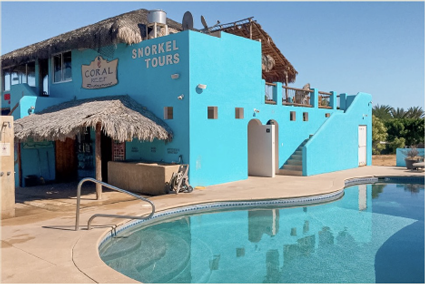
One standout option is the Cabo Pulmo Beach Resort, which features comfortable beachfront bungalows and a commitment to sustainability. The resort organizes guided snorkeling and diving trips, as well as hiking and bird watching excursions in the surrounding desert.
When should I visit Cabo Pulmo?
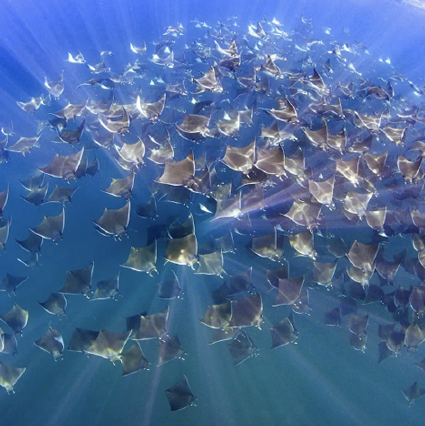
The best time to visit Cabo Pulmo depends on your interests and priorities. For snorkelers and divers, the peak season runs from late spring to early fall (May to October), when water temperatures are warmer and visibility is at its best. This is also the time when you're most likely to encounter large pelagic species like whale sharks and manta rays.
For those more interested in land-based activities, the cooler months of November to April offer pleasant temperatures for hiking and exploring the desert landscape. This is also the peak season for whale watching, as gray and humpback whales migrate along the coast of Baja California. This is when snorkeling and diving are at their worst, however, with cool water temperatures, wind and poor visibility.
Final thoughts
Cabo Pulmo is a true gem for travelers seeking an authentic, eco-friendly adventure. By visiting this small but mighty village, just 60 miles north of Cabo San Lucas, you not only have the opportunity to immerse yourself in the breathtaking natural beauty of the Baja Peninsula but also to support a community that is dedicated to preserving it for generations to come.
Whether you're snorkeling alongside sea turtles, hiking through the desert in search of rare bird species, or simply enjoying the laid-back charm of the village, Cabo Pulmo is sure to leave a lasting impression. As more and more travelers seek out sustainable and meaningful experiences, this little corner of Mexico is poised to become a model for responsible tourism in the region and beyond.
So pack your bags, grab your snorkel gear, and get ready to discover the magic of Cabo Pulmo — a hidden gem that truly embodies the spirit of eco-adventure and community-driven conservation.